As the cannabis industry continues to expand, new cannabinoids are being discovered and gaining popularity among consumers seeking unique experiences and benefits. One such cannabinoid that’s attracting considerable attention is THC-P (tetrahydrocannabiphorol). Recognized as potentially the most potent cannabinoid yet discovered, THC-P offers intriguing possibilities for both recreational and therapeutic uses. This comprehensive guide will explore exactly what THC-P is, how it differs from other cannabinoids, its effects, taste, history, scientific background, practical applications, and how it might fit into your everyday life.
What Exactly is THC-P?
Tetrahydrocannabiphorol, known as THC-P, is a recently discovered natural cannabinoid found in cannabis plants. First identified by Italian researchers in late 2019, THC-P quickly became notable for its potency—scientists found that it binds more strongly to CB1 receptors in the brain compared to traditional THC (Delta 9 THC), the primary psychoactive compound in cannabis. This stronger binding affinity suggests THC-P could be up to 30 times more potent than THC itself, marking it as a uniquely powerful cannabinoid.
THC-P vs. Other Cannabinoids: What’s the Difference?
THC-P vs. Delta 9 THC
Potency: THC-P can be significantly more potent than Delta 9 THC due to its strong binding to CB1 receptors.
Effects: While both offer euphoria and relaxation, THC-P may provide more intense psychoactive effects, deeper relaxation, and potentially greater therapeutic benefits.
THC-P vs. Delta 8 THC
Delta 8 THC: Provides mild, calming effects suitable for beginners or those seeking less intensity.
THC-P: Far more intense effects, suited to experienced users or individuals looking for powerful therapeutic properties.
THC-P vs. THC-V
THC-V: Known as the “diet weed,” offering appetite suppression and increased energy.
THC-P: Likely to increase appetite significantly, similar to Delta 9, and offers much stronger psychoactive experiences.
What Does THC-P Feel Like?
THC-P’s potent binding to cannabinoid receptors means its effects are notably powerful:
Intense Euphoria: THC-P provides profound feelings of happiness and well-being.
Deep Relaxation: It induces significant relaxation, making it beneficial for stress relief and potentially therapeutic applications like chronic pain or insomnia.
Enhanced Sensory Perception: Users may experience heightened sensations, increased creativity, and altered perceptions.
Potential Sedation: Higher doses might lead to strong sedative effects, making THC-P best used in comfortable settings, ideally at home.
Due to its potency, THC-P is recommended primarily for experienced cannabis users or those with specific therapeutic goals.
History and Discovery of THC-P
THC-P was discovered in 2019 by Italian researchers using advanced chromatography and mass spectrometry techniques. Their discovery was groundbreaking because it revealed THC-P’s unusually potent ability to bind to cannabinoid receptors. Although newly discovered, cannabis strains naturally containing significant THC-P levels are rare, leading to synthetic extraction or isolation techniques for consumer products.
The Science of THC-P Explained Simply
THC-P’s potency comes from its chemical structure. It has a longer carbon side-chain compared to Delta 9 THC. This extended side-chain allows THC-P to bind more effectively to CB1 receptors in your brain, amplifying its psychoactive and therapeutic effects. Essentially, THC-P activates the body’s endocannabinoid system more strongly, enhancing sensations, feelings, and potential therapeutic outcomes.
How THC-P is Used
THC-P can be consumed in various forms, each suited to different needs and preferences:
Edibles and Gummies
Long-lasting, potent effects with precise dosing.
Great for sustained relaxation, deep sleep, or significant pain relief.
Vape Cartridges
Immediate onset of effects; suitable for experienced users seeking strong, rapid relief or relaxation.
Tinctures and Oils
Precise dosing and versatility, ideal for medical or wellness applications.
THC-P Infused Beverages
Emerging option providing enjoyable social consumption, powerful relaxation, and euphoric effects without alcohol’s drawbacks.
Taste and Experience of THC-P Products
Like most cannabinoids, THC-P itself has minimal distinctive flavor. The taste primarily depends on the product type:
Edibles: Sweet or flavorful to mask cannabis taste effectively.
Vape Products: Natural cannabis terpenes provide earthy, herbal, or fruity flavors.
Tinctures: Usually neutral or flavored mildly for pleasant consumption.
Potential Therapeutic Benefits of THC-P
THC-P’s potency offers notable potential for therapeutic use:
Chronic Pain Relief: THC-P’s strong receptor binding may provide substantial relief from chronic pain, inflammation, and related conditions.
Stress and Anxiety Relief: The deep relaxation and euphoria associated with THC-P can significantly reduce anxiety, stress, and promote mental well-being.
Insomnia Treatment: Its sedative properties at higher doses might help effectively manage insomnia and improve sleep quality.
Side Effects and Considerations
Due to THC-P’s high potency, side effects can occur, particularly at high doses:
Anxiety or Paranoia: Potentially heightened compared to regular THC; manage through responsible, low-dose consumption.
Dizziness and Sedation: Common in inexperienced users or high doses; use responsibly and in safe environments.
Dry Mouth: Manageable through proper hydration.
Starting with low doses, understanding personal tolerance, and using products responsibly can mitigate these side effects.
Legal Status of THC-P
THC-P’s legality depends on its source:
Hemp-derived THC-P: Federally legal under the 2018 Farm Bill if Delta 9 THC content is below 0.3%.
Cannabis-derived THC-P: Subject to individual state laws; generally legal only in states with legalized recreational or medical cannabis.
Always verify local regulations before purchasing or consuming THC-P products.
Practical Everyday Uses of THC-P
THC-P can significantly enhance daily routines in various scenarios:
Evening Relaxation: Ideal for unwinding after work or stressful days.
Pain Management: Effective daily management of chronic pain or discomfort.
Improved Sleep: Helps achieve deeper, more restorative sleep compared to traditional THC.
Social Alternative to Alcohol: Provides an intense social experience, deep relaxation, and euphoria without alcohol’s negative aftereffects.
Integrating THC-P into Your Routine
To incorporate THC-P effectively into your lifestyle:
Start Small: Begin with low doses to understand your personal response.
Evening Use Recommended: Best suited for evenings due to potency and sedative potential.
THC-P offers an extraordinary cannabis experience distinct from other cannabinoids due to its potent effects and potential therapeutic benefits. Whether you’re seeking deep relaxation, significant pain relief, or exploring powerful cannabis experiences, THC-P represents a compelling addition to your cannabis repertoire.
Looking Ahead: The Potential of THC-P
As research progresses, THC-P’s full therapeutic and recreational potential will become clearer. Its potency positions it uniquely within the cannabis world, offering significant promise for seasoned cannabis users, medical patients, and anyone seeking potent cannabinoid effects. As interest in THC-P grows, it may pave the way for new products and consumption methods that can maximize its benefits. Additionally, its intriguing interaction with other cannabinoids, like THC-A, may lead to a deeper understanding of the entourage effect and how various compounds work synergistically. This exploration could ultimately enhance both therapeutic applications and recreational experiences for consumers looking for more than just the standard offerings.
Discover more comprehensive guides, insightful information, and practical tips for integrating cannabinoids into your lifestyle at THC & Me. Explore THC-P and other cannabinoids responsibly to enhance your well-being and lifestyle.
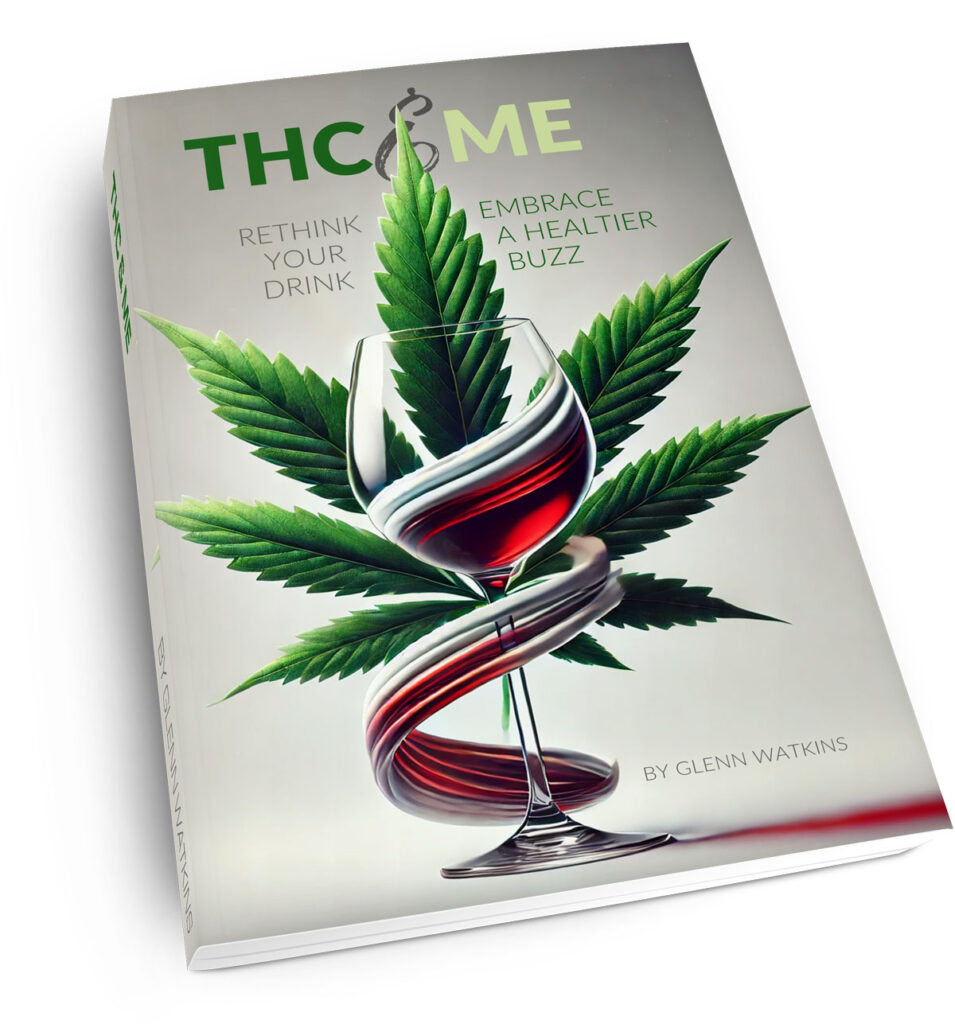
Discover why so many are choosing THC as a safer, healthier alternative to alcohol. Dive into THC & Me—a compelling, eye-opening guide that challenges myths, reveals surprising truths, and helps you embrace a clearer, healthier, and more enjoyable life.
Don't wait—take control of your wellness journey today!
The legality of THC products varies by region and is influenced by local laws. In many areas, THC is legal for medicinal or recreational use, while in others, it remains prohibited. Always check your local regulations.
Are THC pens stronger than weed?
THC pens can offer a more potent experience than traditional weed due to higher concentrations of THC. However, the strength ultimately depends on the specific product and individual tolerance, making experiences subjective.
Are THC pens bad for health?
The health implications of THC pens are a topic of ongoing debate. While some users report beneficial effects, concerns about potential risks such as lung irritation and exposure to harmful additives should be considered.
What are the therapeutic effects of THC?
The therapeutic effects of THC include pain relief, reduction of nausea and vomiting, appetite stimulation, and alleviation of symptoms related to conditions such as anxiety and insomnia, making it a valuable tool in medical cannabis treatments.
How do THC products affect mental health?
THC products can impact mental health in various ways, potentially enhancing mood and relaxation for some, while possibly contributing to anxiety or paranoia in others. Individual responses vary based on dosage, personal history, and existing mental health conditions.
What distinguishes THC pens from traditional cannabis?
THC pens are distinguished from traditional cannabis by their convenience, precision, and dosing control. Unlike traditional methods, THC pens offer a discreet and portable way to inhale cannabinoids, providing a cleaner and more consistent experience.
Can THC products lead to dependency issues?
THC products can lead to dependency issues in some users. While not everyone will experience dependency, regular and heavy use may increase the risk of developing tolerance and withdrawal symptoms, emphasizing the importance of mindful consumption.
What are the side effects of THC pens?
The side effects of THC pens may include dry mouth, dizziness, fatigue, increased heart rate, and changes in mood. Individual reactions can vary, so it's essential to start with a low dose and monitor your response.
How should THC products be dosed responsibly?
Dosing THC products responsibly involves starting with a low dose and gradually increasing it while monitoring effects. Individual tolerance, product potency, and consumption method should also be considered to ensure a safe and enjoyable experience.
Are there safety guidelines for using THC pens?
Safety guidelines for using THC pens include ensuring proper storage away from children, using a reliable device, starting with low doses, and being mindful of individual tolerance levels. Always consult with a knowledgeable professional if unsure.
What are the best practices for THC consumption?
The best practices for THC consumption include starting with a low dose, being mindful of your method of consumption, staying hydrated, and consuming in a safe, comfortable environment to enhance your experience and minimize potential side effects.
How can THC products enhance relaxation?
THC products can enhance relaxation by interacting with the body's endocannabinoid system, which helps regulate mood and stress. This interaction can lead to feelings of calmness and ease, making them effective for reducing anxiety and promoting a sense of tranquility.
What is the recommended usage of THC pens?
The recommended usage of THC pens is to start with small puffs, allowing the user to gauge their tolerance and effects before increasing dosage. It's important to use them in a safe environment to ensure a positive experience.
Are THC edibles more potent than THC pens?
THC edibles can be more potent than THC pens due to the way they are metabolized in the body. Edibles are processed by the liver, which can enhance their effects, making them feel stronger and longer-lasting compared to inhaled THC from pens.
What are the pros and cons of THC pens?
The pros and cons of THC pens include convenience and discreetness for consumption, as well as precise dosing. However, potential drawbacks are the risk of additives and the lack of regulation, which can affect safety and quality.
How does THC impact pain relief?
THC significantly impacts pain relief by interacting with the body’s endocannabinoid system, which helps regulate pain perception. This interaction can reduce inflammation and alleviate chronic pain, making THC a valuable option for many seeking relief.
What makes THC products unique compared to CBD?
THC products are unique compared to CBD due to their psychoactive properties, which can induce euphoria and alter perception. This differentiates them from CBD, which is non-psychoactive and primarily focuses on therapeutic benefits without intoxicating effects.
How do THC products interact with other substances?
THC products can interact with other substances by altering their effects, enhancing or diminishing their potency. This can include prescription medications, alcohol, or herbal supplements, potentially leading to unexpected side effects or altered efficacy.
What are the regulations for THC product sales?
The regulations for THC product sales vary by state and country. Generally, they stipulate licensing requirements, age restrictions, and labeling standards to ensure safe consumption and compliance with local laws. Always check your local guidelines.
Can THC products help with anxiety management?
THC products may aid in anxiety management by promoting relaxation and improving mood. However, individual responses can vary, so it's essential to use them cautiously and consult a healthcare professional for tailored advice.
How do users choose between THC products?
Users choose between THC products by considering factors such as potency, strain type, desired effects, and personal tolerance. Researching cannabinoids like THC-P can also help inform choices, ensuring a more tailored and enjoyable cannabis experience.
What are the risks associated with THC consumption?
The risks associated with THC consumption include potential short-term effects such as impaired memory, altered judgment, and anxiety. Long-term use may lead to dependence, exacerbation of mental health issues, and negative impacts on cognitive function.
How can consumers ensure product quality for THC?
Consumers can ensure product quality for THC by selecting products that have been third-party tested, examining lab results for cannabinoid content and purity, and purchasing from reputable dispensaries with transparent sourcing practices.
What are common misconceptions about THC pens?
Common misconceptions about THC pens include the belief that they only produce concentrated high effects and lack medicinal benefits. In reality, THC pens can provide a range of experiences and therapeutic effects, depending on dosage and individual tolerance.
How does dosage influence the effectiveness of THC?
The dosage of THC significantly influences its effectiveness, as higher amounts can enhance its psychoactive effects and therapeutic benefits. However, individual tolerance and sensitivity vary, making it essential to start with a low dose and adjust accordingly.
What should first-time users know about THC?
First-time users should know that THC, or tetrahydrocannabinol, is the primary psychoactive component in cannabis that produces the "high" effect. Start with low doses, be aware of individual tolerance, and understand the potential effects, including relaxation and altered perception.
Are there non-intoxicating THC options available?
Non-intoxicating THC options are indeed available. Cannabinoids such as CBD or THC-V can provide potential benefits without the psychoactive effects typically associated with THC, making them suitable for those seeking therapeutic effects without intoxication.
How can I find reputable THC product sources?
Finding reputable THC product sources involves researching licensed dispensaries, reading customer reviews, and checking for third-party lab testing. Look for brands that prioritize transparency about their sourcing, cultivation practices, and product quality to ensure a safe experience.
What should I look for in a THC pen?
When looking for a THC pen, consider factors such as the quality and source of the oil, the pen's battery life, ease of use, third-party lab testing results, and customer reviews to ensure a safe and enjoyable experience.
What effects can be expected from various THC products?
The effects that can be expected from various THC products include euphoria, relaxation, increased sensory perception, and potential therapeutic benefits such as pain relief. Individual experiences may vary based on product type and dosage.
The legality of THC products varies by region and is influenced by local laws. In many areas, THC is legal for medicinal or recreational use, while in others, it remains prohibited. Always check your local regulations.
Are THC pens stronger than weed?
THC pens can offer a more potent experience than traditional weed due to higher concentrations of THC. However, the strength ultimately depends on the specific product and individual tolerance, making experiences subjective.
Are THC pens bad for health?
The health implications of THC pens are a topic of ongoing debate. While some users report beneficial effects, concerns about potential risks such as lung irritation and exposure to harmful additives should be considered.
What are the therapeutic effects of THC?
The therapeutic effects of THC include pain relief, reduction of nausea and vomiting, appetite stimulation, and alleviation of symptoms related to conditions such as anxiety and insomnia, making it a valuable tool in medical cannabis treatments.
How do THC products affect mental health?
THC products can impact mental health in various ways, potentially enhancing mood and relaxation for some, while possibly contributing to anxiety or paranoia in others. Individual responses vary based on dosage, personal history, and existing mental health conditions.
What distinguishes THC pens from traditional cannabis?
THC pens are distinguished from traditional cannabis by their convenience, precision, and dosing control. Unlike traditional methods, THC pens offer a discreet and portable way to inhale cannabinoids, providing a cleaner and more consistent experience.
Can THC products lead to dependency issues?
THC products can lead to dependency issues in some users. While not everyone will experience dependency, regular and heavy use may increase the risk of developing tolerance and withdrawal symptoms, emphasizing the importance of mindful consumption.
What are the side effects of THC pens?
The side effects of THC pens may include dry mouth, dizziness, fatigue, increased heart rate, and changes in mood. Individual reactions can vary, so it's essential to start with a low dose and monitor your response.
How should THC products be dosed responsibly?
Dosing THC products responsibly involves starting with a low dose and gradually increasing it while monitoring effects. Individual tolerance, product potency, and consumption method should also be considered to ensure a safe and enjoyable experience.
Are there safety guidelines for using THC pens?
Safety guidelines for using THC pens include ensuring proper storage away from children, using a reliable device, starting with low doses, and being mindful of individual tolerance levels. Always consult with a knowledgeable professional if unsure.
What are the best practices for THC consumption?
The best practices for THC consumption include starting with a low dose, being mindful of your method of consumption, staying hydrated, and consuming in a safe, comfortable environment to enhance your experience and minimize potential side effects.
How can THC products enhance relaxation?
THC products can enhance relaxation by interacting with the body's endocannabinoid system, which helps regulate mood and stress. This interaction can lead to feelings of calmness and ease, making them effective for reducing anxiety and promoting a sense of tranquility.
What is the recommended usage of THC pens?
The recommended usage of THC pens is to start with small puffs, allowing the user to gauge their tolerance and effects before increasing dosage. It's important to use them in a safe environment to ensure a positive experience.
Are THC edibles more potent than THC pens?
THC edibles can be more potent than THC pens due to the way they are metabolized in the body. Edibles are processed by the liver, which can enhance their effects, making them feel stronger and longer-lasting compared to inhaled THC from pens.
What are the pros and cons of THC pens?
The pros and cons of THC pens include convenience and discreetness for consumption, as well as precise dosing. However, potential drawbacks are the risk of additives and the lack of regulation, which can affect safety and quality.
How does THC impact pain relief?
THC significantly impacts pain relief by interacting with the body’s endocannabinoid system, which helps regulate pain perception. This interaction can reduce inflammation and alleviate chronic pain, making THC a valuable option for many seeking relief.
What makes THC products unique compared to CBD?
THC products are unique compared to CBD due to their psychoactive properties, which can induce euphoria and alter perception. This differentiates them from CBD, which is non-psychoactive and primarily focuses on therapeutic benefits without intoxicating effects.
How do THC products interact with other substances?
THC products can interact with other substances by altering their effects, enhancing or diminishing their potency. This can include prescription medications, alcohol, or herbal supplements, potentially leading to unexpected side effects or altered efficacy.
What are the regulations for THC product sales?
The regulations for THC product sales vary by state and country. Generally, they stipulate licensing requirements, age restrictions, and labeling standards to ensure safe consumption and compliance with local laws. Always check your local guidelines.
Can THC products help with anxiety management?
THC products may aid in anxiety management by promoting relaxation and improving mood. However, individual responses can vary, so it's essential to use them cautiously and consult a healthcare professional for tailored advice.
How do users choose between THC products?
Users choose between THC products by considering factors such as potency, strain type, desired effects, and personal tolerance. Researching cannabinoids like THC-P can also help inform choices, ensuring a more tailored and enjoyable cannabis experience.
What are the risks associated with THC consumption?
The risks associated with THC consumption include potential short-term effects such as impaired memory, altered judgment, and anxiety. Long-term use may lead to dependence, exacerbation of mental health issues, and negative impacts on cognitive function.
How can consumers ensure product quality for THC?
Consumers can ensure product quality for THC by selecting products that have been third-party tested, examining lab results for cannabinoid content and purity, and purchasing from reputable dispensaries with transparent sourcing practices.
What are common misconceptions about THC pens?
Common misconceptions about THC pens include the belief that they only produce concentrated high effects and lack medicinal benefits. In reality, THC pens can provide a range of experiences and therapeutic effects, depending on dosage and individual tolerance.
How does dosage influence the effectiveness of THC?
The dosage of THC significantly influences its effectiveness, as higher amounts can enhance its psychoactive effects and therapeutic benefits. However, individual tolerance and sensitivity vary, making it essential to start with a low dose and adjust accordingly.
What should first-time users know about THC?
First-time users should know that THC, or tetrahydrocannabinol, is the primary psychoactive component in cannabis that produces the "high" effect. Start with low doses, be aware of individual tolerance, and understand the potential effects, including relaxation and altered perception.
Are there non-intoxicating THC options available?
Non-intoxicating THC options are indeed available. Cannabinoids such as CBD or THC-V can provide potential benefits without the psychoactive effects typically associated with THC, making them suitable for those seeking therapeutic effects without intoxication.
How can I find reputable THC product sources?
Finding reputable THC product sources involves researching licensed dispensaries, reading customer reviews, and checking for third-party lab testing. Look for brands that prioritize transparency about their sourcing, cultivation practices, and product quality to ensure a safe experience.
What should I look for in a THC pen?
When looking for a THC pen, consider factors such as the quality and source of the oil, the pen's battery life, ease of use, third-party lab testing results, and customer reviews to ensure a safe and enjoyable experience.
What effects can be expected from various THC products?
The effects that can be expected from various THC products include euphoria, relaxation, increased sensory perception, and potential therapeutic benefits such as pain relief. Individual experiences may vary based on product type and dosage.