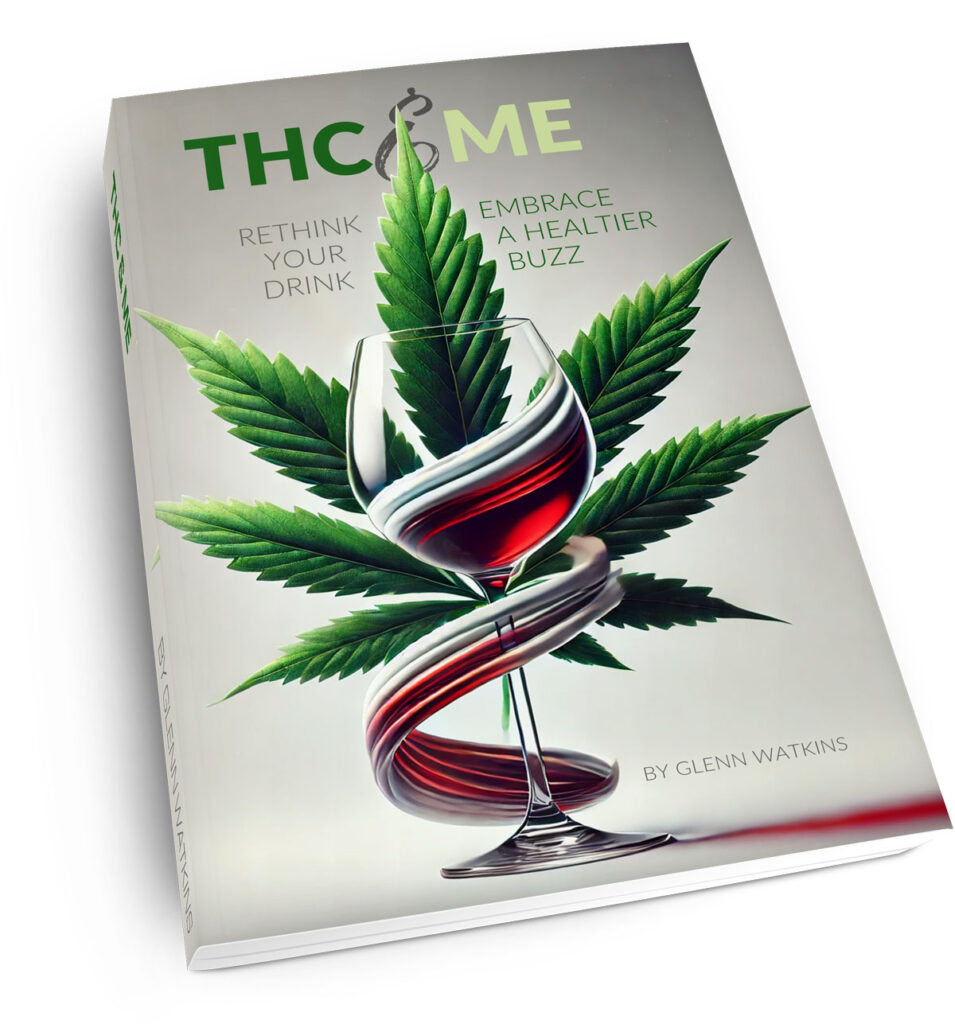
Welcome to THCandMe.org, your comprehensive resource for understanding cannabis cannabinoids. With so many cannabinoids emerging, knowing the differences can be overwhelming. This guide explains Delta-8, Delta-9, Delta-10, THCV, THCP, THCA, THCO, HHC, THC-N, CBD, CBN, CBG, and more clearly and authoritatively, ensuring you’re confident and informed.
Cannabis: The Foundation
Cannabis contains numerous cannabinoids, each with unique effects interacting with your body’s endocannabinoid system (ECS). This system regulates vital functions like mood, appetite, sleep, and immunity, making cannabinoids a powerful tool for wellness.
Popular Cannabinoids Explained
Delta-9 THC
The main psychoactive cannabinoid providing relaxation, euphoria, and pain relief. It’s potent, so beginners should approach cautiously.
Delta-8 THC
Offers a gentler high compared to Delta-9, ideal for newcomers or anxiety-prone users. Calming and relaxing without intense psychoactivity.
Delta-10 THC
Known for its uplifting effects, Delta-10 promotes creativity, energy, and stress relief. Perfect for daytime use.
THC-V (Tetrahydrocannabivarin)
Known for appetite suppression, energy boosts, and improved focus. Ideal for daytime productivity and weight management.
THC-P (Tetrahydrocannabiphorol)
Significantly stronger than Delta-9 THC, providing deep relaxation, potent pain relief, and intense psychoactive effects. Suitable for experienced users.
THC-A (Tetrahydrocannabinolic Acid)
Non-psychoactive in raw form; anti-inflammatory and neuroprotective. Popular in wellness routines for pain management without intoxication.
THC-O (THCO Acetate)
An intensely psychoactive cannabinoid with euphoric and introspective effects, often described as psychedelic. Suitable for experienced users seeking strong effects.
Additional Notable Cannabinoids
HHC (Hexahydrocannabinol)
HHC offers moderate psychoactive effects, milder than Delta-9 but slightly stronger than Delta-8. Users report a clear-headed high, pain relief, and stress reduction. It’s highly stable and increasingly popular as a federally legal alternative.
THC-N (Tetrahydrocannabinol-N)
A newer cannabinoid, THC-N provides powerful, long-lasting psychoactive effects, potentially stronger and longer-lasting than Delta-9 THC. Ideal for users experienced with THC products seeking prolonged effects.
CBD (Cannabidiol)
Non-psychoactive, widely known for anxiety relief, anti-inflammatory properties, pain management, and promoting restful sleep. Essential for anyone seeking wellness without intoxication.
CBN (Cannabinol)
Mildly psychoactive, CBN is famous for promoting restful sleep, relaxation, and anxiety relief. It also exhibits antimicrobial properties and can help manage pain effectively.
CBG (Cannabigerol)
Known as the “mother cannabinoid,” it has significant therapeutic benefits, including anti-inflammatory, neuroprotective, antibacterial properties, and enhancing mood.
How Cannabinoids Interact with Your Body
All cannabinoids interact uniquely with the endocannabinoid system (ECS). For example:
Delta-9 THC: Strongly binds CB1 receptors, affecting mood and perception.
CBD: Influences CB2 receptors primarily for anti-inflammatory and anxiety-reducing effects.
Understanding these interactions helps tailor cannabis use for desired outcomes.
Legal Status and Safety
The 2018 Farm Bill federally legalized hemp-derived products containing less than 0.3% Delta-9 THC. However, state-specific regulations vary. Always check local laws before purchasing or using cannabinoid products.
Practical Tips for Safe Use
Start Low, Go Slow: Begin with small doses, especially with potent cannabinoids like THCP, THC-N, and THCO.
Choose Quality Products: Ensure products have transparent third-party lab tests.
Stay Hydrated: Prevent common side effects like dry mouth or dizziness.
Reducing Stigma through Education
Understanding cannabinoids and their genuine benefits helps dismantle lingering stigma, promoting cannabis as a mainstream wellness option.
Integrating Cannabinoids Into Your Routine
Different cannabinoids offer distinct benefits:
Delta-8/Delta-9 THC: Relaxation and evening use.
Delta-10/THCV: Daytime productivity and appetite control.
THCP/THC-N/THCO: Strong therapeutic or recreational effects.
CBD/CBN/CBG/CBN: Wellness, inflammation relief, sleep support, and daily stress management without psychoactivity.
Ready to Discover More?
Explore further resources at THCandMe. org to embrace cannabinoids for a healthier, balanced life, empowered by accurate information and confident use. By visiting THCandMe. org, you can access a wealth of knowledge about various cannabinoids, including THC-N, and how they can enhance your overall well-being. The site offers insightful articles, user testimonials, and expert opinions to help you make informed decisions about your cannabinoid journey. Empower yourself with the tools and resources necessary to integrate these beneficial compounds into your lifestyle safely and effectively.
Discover why so many are choosing THC as a safer, healthier alternative to alcohol. Dive into THC & Me—a compelling, eye-opening guide that challenges myths, reveals surprising truths, and helps you embrace a clearer, healthier, and more enjoyable life.
Don't wait—take control of your wellness journey today!
THCV is believed to promote weight loss by suppressing appetite and enhancing metabolic activity, making it a potential aid for those looking to manage their weight. However, further research is needed to fully understand its effects.
Is THCV intoxicating?
THCV is not typically considered intoxicating. Unlike THC, which produces a high, THCV may even counteract some of THC's effects, offering potential benefits without significant psychoactive properties.
What does the THCV do?
The function of THCV is to act as a cannabinoid that can influence appetite reduction and enhance energy levels while potentially delivering psychoactive effects similar to THC but in a milder form, making it unique among cannabinoids.
How psychoactive is THCV?
The psychoactivity of THCV is moderate. While it is known to produce some psychoactive effects similar to Delta-9 THC, its impact often varies by individual and dosage, making it less potent in many users.
Can THCV help with appetite suppression?
THCV may assist with appetite suppression. Preliminary research suggests that this cannabinoid can reduce hunger and may be beneficial for those seeking to manage their appetite effectively. However, more studies are needed to confirm these effects.
What are THCV’s potential therapeutic benefits?
THCV’s potential therapeutic benefits include appetite suppression, anti-inflammatory properties, and possible neuroprotective effects, making it of interest for managing conditions such as obesity, diabetes, and certain neurological disorders.
How does THCV affect mood and anxiety?
The impact of THCV on mood and anxiety is noteworthy. Research suggests that THCV may help reduce anxiety and improve mood by interacting with cannabinoid receptors, potentially providing a calming effect while possibly enhancing focus and clarity.
Is THCV suitable for medical use?
THCV is considered suitable for medical use due to its potential therapeutic properties, including appetite regulation and anti-inflammatory effects. However, more research is needed to fully understand its efficacy and safety in clinical applications.
What are the side effects of THCV?
The side effects of THCV can include dry mouth, increased heart rate, and anxiety in some users. While it may have potential benefits, individual reactions can vary, so it’s essential to approach its use with caution.
Can THCV enhance metabolism in users?
THCV may enhance metabolism in users by potentially increasing energy expenditure and promoting fat oxidation. However, more research is needed to fully understand its effects and mechanisms in the body.
How does THCV compare to CBD effects?
THCV and CBD have distinct effects; THCV may promote energizing and appetite-suppressing qualities, while CBD is known for its calming and anti-inflammatory properties. Understanding these differences is essential for choosing the right cannabinoid for your needs.
What dosage of THCV is recommended?
The recommended dosage of THCV varies depending on individual factors such as body weight, tolerance, and desired effects. Starting with 5 to 10 mg is often suggested, adjusting as necessary based on personal response.
Can THCV be found in different strains?
THCV can indeed be found in different cannabis strains. Some strains, particularly sativa varieties, are known to have higher levels of THCV, providing unique effects and potential benefits for users.
How long do THCV effects last?
The duration of THCV effects typically lasts between 1 to 3 hours. However, this can vary based on individual tolerance, dosage, and method of consumption, providing a unique experience for each user.
What legal status does THCV have?
The legal status of THCV varies by jurisdiction. In the United States, it is generally considered legal when derived from hemp under the 2018 Farm Bill, but state laws may differ, so it's essential to check local regulations.
Is THCV effective for managing pain?
The effectiveness of THCV for managing pain is increasingly being studied. Preliminary research suggests that THCV may have analgesic properties, potentially providing relief, though more extensive clinical studies are necessary to confirm its efficacy conclusively.
How does THCV interact with other cannabinoids?
THCV interacts with other cannabinoids by potentially modulating their effects. It may enhance or inhibit the psychoactive properties of THC, while also contributing unique benefits such as appetite suppression and anti-inflammatory effects, depending on the cannabinoid profile.
Does THCV influence sleep patterns?
The influence of THCV on sleep patterns is notable. Research suggests that THCV may promote wakefulness, which could lead to reduced overall sleep duration, making it less suitable for those seeking sleep enhancement.
Can THCV be used for anxiety treatment?
THCV may have potential in treating anxiety due to its unique effects on the endocannabinoid system. However, further research is needed to fully understand its efficacy and safety for this specific use.
What’s the origin of THCV research?
The origin of THCV research stems from early studies of cannabis in the mid-20th century, where scientists began isolating cannabinoids and exploring their effects, leading to a distinct interest in THCV's unique properties and potential medical benefits.
How potent is THCV compared to Delta-9?
THCV's potency is generally considered to be less than that of Delta-9. While Delta-9 THC is the primary psychoactive compound in cannabis, THCV may offer different effects at lower concentrations, appealing to users seeking specific benefits.
What forms does THCV come in?
The forms in which THCV is available include oils, tinctures, edibles, and vaporizer cartridges. These variations allow consumers to select the method of consumption that best suits their preferences and needs.
What conditions might benefit from THCV?
Conditions that might benefit from THCV include obesity, diabetes, and anxiety, as research suggests THCV can aid in appetite suppression, insulin sensitivity, and reducing anxiety levels, contributing to overall wellness.
How is THCV extracted from cannabis?
THCV is extracted from cannabis through various methods such as CO2 extraction, ethanol extraction, or hydrocarbon extraction, which isolate and purify this cannabinoid from the plant material for further use in products.
Can THCV contribute to focus and clarity?
THCV may contribute to focus and clarity. Some users report that THCV helps enhance mental alertness and concentration, potentially making it beneficial for tasks requiring heightened cognitive function.
How does the body metabolize THCV?
The metabolism of THCV in the body involves enzymatic processes primarily in the liver, where it is broken down by cytochrome P450 enzymes, leading to the formation of various metabolites that affect its effects and duration.
What effects do users typically report with THCV?
Users typically report that THCV can promote increased energy, enhanced focus, and reduced appetite. Additionally, some users have noted its potential to alleviate anxiety and improve mood, making it a unique cannabinoid within the cannabis spectrum.
How is THCV different from traditional THC?
THCV differs from traditional THC primarily in its effects and chemical structure. While both cannabinoids interact with the body’s endocannabinoid system, THCV is known for its potential appetite-suppressing properties and may promote clarity rather than the euphoric high typically associated with THC.
In what quantities is THCV typically consumed?
THCV is typically consumed in small quantities, often ranging from 5 to 10mg per dose. However, individual tolerance and desired effects may influence the optimal amount for each user.
What research currently exists on THCV?
Current research on THCV indicates its potential benefits, including appetite suppression, anti-inflammatory properties, and neuroprotective effects. Studies are ongoing to explore its therapeutic applications, particularly in diabetes management and combatting obesity.
THCV is believed to promote weight loss by suppressing appetite and enhancing metabolic activity, making it a potential aid for those looking to manage their weight. However, further research is needed to fully understand its effects.
Is THCV intoxicating?
THCV is not typically considered intoxicating. Unlike THC, which produces a high, THCV may even counteract some of THC's effects, offering potential benefits without significant psychoactive properties.
What does the THCV do?
The function of THCV is to act as a cannabinoid that can influence appetite reduction and enhance energy levels while potentially delivering psychoactive effects similar to THC but in a milder form, making it unique among cannabinoids.
How psychoactive is THCV?
The psychoactivity of THCV is moderate. While it is known to produce some psychoactive effects similar to Delta-9 THC, its impact often varies by individual and dosage, making it less potent in many users.
Can THCV help with appetite suppression?
THCV may assist with appetite suppression. Preliminary research suggests that this cannabinoid can reduce hunger and may be beneficial for those seeking to manage their appetite effectively. However, more studies are needed to confirm these effects.
What are THCV’s potential therapeutic benefits?
THCV’s potential therapeutic benefits include appetite suppression, anti-inflammatory properties, and possible neuroprotective effects, making it of interest for managing conditions such as obesity, diabetes, and certain neurological disorders.
How does THCV affect mood and anxiety?
The impact of THCV on mood and anxiety is noteworthy. Research suggests that THCV may help reduce anxiety and improve mood by interacting with cannabinoid receptors, potentially providing a calming effect while possibly enhancing focus and clarity.
Is THCV suitable for medical use?
THCV is considered suitable for medical use due to its potential therapeutic properties, including appetite regulation and anti-inflammatory effects. However, more research is needed to fully understand its efficacy and safety in clinical applications.
What are the side effects of THCV?
The side effects of THCV can include dry mouth, increased heart rate, and anxiety in some users. While it may have potential benefits, individual reactions can vary, so it’s essential to approach its use with caution.
Can THCV enhance metabolism in users?
THCV may enhance metabolism in users by potentially increasing energy expenditure and promoting fat oxidation. However, more research is needed to fully understand its effects and mechanisms in the body.
How does THCV compare to CBD effects?
THCV and CBD have distinct effects; THCV may promote energizing and appetite-suppressing qualities, while CBD is known for its calming and anti-inflammatory properties. Understanding these differences is essential for choosing the right cannabinoid for your needs.
What dosage of THCV is recommended?
The recommended dosage of THCV varies depending on individual factors such as body weight, tolerance, and desired effects. Starting with 5 to 10 mg is often suggested, adjusting as necessary based on personal response.
Can THCV be found in different strains?
THCV can indeed be found in different cannabis strains. Some strains, particularly sativa varieties, are known to have higher levels of THCV, providing unique effects and potential benefits for users.
How long do THCV effects last?
The duration of THCV effects typically lasts between 1 to 3 hours. However, this can vary based on individual tolerance, dosage, and method of consumption, providing a unique experience for each user.
What legal status does THCV have?
The legal status of THCV varies by jurisdiction. In the United States, it is generally considered legal when derived from hemp under the 2018 Farm Bill, but state laws may differ, so it's essential to check local regulations.
Is THCV effective for managing pain?
The effectiveness of THCV for managing pain is increasingly being studied. Preliminary research suggests that THCV may have analgesic properties, potentially providing relief, though more extensive clinical studies are necessary to confirm its efficacy conclusively.
How does THCV interact with other cannabinoids?
THCV interacts with other cannabinoids by potentially modulating their effects. It may enhance or inhibit the psychoactive properties of THC, while also contributing unique benefits such as appetite suppression and anti-inflammatory effects, depending on the cannabinoid profile.
Does THCV influence sleep patterns?
The influence of THCV on sleep patterns is notable. Research suggests that THCV may promote wakefulness, which could lead to reduced overall sleep duration, making it less suitable for those seeking sleep enhancement.
Can THCV be used for anxiety treatment?
THCV may have potential in treating anxiety due to its unique effects on the endocannabinoid system. However, further research is needed to fully understand its efficacy and safety for this specific use.
What’s the origin of THCV research?
The origin of THCV research stems from early studies of cannabis in the mid-20th century, where scientists began isolating cannabinoids and exploring their effects, leading to a distinct interest in THCV's unique properties and potential medical benefits.
How potent is THCV compared to Delta-9?
THCV's potency is generally considered to be less than that of Delta-9. While Delta-9 THC is the primary psychoactive compound in cannabis, THCV may offer different effects at lower concentrations, appealing to users seeking specific benefits.
What forms does THCV come in?
The forms in which THCV is available include oils, tinctures, edibles, and vaporizer cartridges. These variations allow consumers to select the method of consumption that best suits their preferences and needs.
What conditions might benefit from THCV?
Conditions that might benefit from THCV include obesity, diabetes, and anxiety, as research suggests THCV can aid in appetite suppression, insulin sensitivity, and reducing anxiety levels, contributing to overall wellness.
How is THCV extracted from cannabis?
THCV is extracted from cannabis through various methods such as CO2 extraction, ethanol extraction, or hydrocarbon extraction, which isolate and purify this cannabinoid from the plant material for further use in products.
Can THCV contribute to focus and clarity?
THCV may contribute to focus and clarity. Some users report that THCV helps enhance mental alertness and concentration, potentially making it beneficial for tasks requiring heightened cognitive function.
How does the body metabolize THCV?
The metabolism of THCV in the body involves enzymatic processes primarily in the liver, where it is broken down by cytochrome P450 enzymes, leading to the formation of various metabolites that affect its effects and duration.
What effects do users typically report with THCV?
Users typically report that THCV can promote increased energy, enhanced focus, and reduced appetite. Additionally, some users have noted its potential to alleviate anxiety and improve mood, making it a unique cannabinoid within the cannabis spectrum.
How is THCV different from traditional THC?
THCV differs from traditional THC primarily in its effects and chemical structure. While both cannabinoids interact with the body’s endocannabinoid system, THCV is known for its potential appetite-suppressing properties and may promote clarity rather than the euphoric high typically associated with THC.
In what quantities is THCV typically consumed?
THCV is typically consumed in small quantities, often ranging from 5 to 10mg per dose. However, individual tolerance and desired effects may influence the optimal amount for each user.
What research currently exists on THCV?
Current research on THCV indicates its potential benefits, including appetite suppression, anti-inflammatory properties, and neuroprotective effects. Studies are ongoing to explore its therapeutic applications, particularly in diabetes management and combatting obesity.