As cannabis becomes increasingly mainstream, researchers continue to explore and identify new cannabinoids, each offering unique properties and potential benefits. One such newcomer is THC-N, a cannabinoid beginning to catch attention in the cannabis community for its distinct effects and potential therapeutic applications. This comprehensive guide dives into THC-N, covering what it is, its differences from other cannabinoids, how it feels and tastes, its history and science simplified for beginners, practical uses, and how it can seamlessly integrate into your everyday lifestyle, especially as an alternative or complement to drinking, smoking, or edible habits.
What Exactly is THC-N?
THC-N (tetrahydrocannabinol-N) is an emerging cannabinoid found in cannabis plants, though currently present only in minor, trace amounts naturally. Like other cannabinoids, THC-N interacts with the body’s endocannabinoid system (ECS), a complex cell-signaling system crucial for regulating various bodily functions including mood, appetite, pain sensation, and overall homeostasis. THC-N’s precise characteristics are still being explored, but initial findings suggest distinct psychoactive and therapeutic profiles.
THC-N vs. Other Cannabinoids: Key Differences
While THC-N shares structural similarities with more common cannabinoids like THC and CBD, it has unique interactions and effects:
THC-N vs. THC (Delta 9): THC is highly psychoactive, causing strong euphoria, increased appetite, and relaxation. Early indications suggest THC-N might offer a different balance of psychoactivity and potentially enhanced therapeutic properties.
THC-N vs. CBD: Unlike CBD, which is non-psychoactive and largely used for calming effects, THC-N may offer mild to moderate psychoactive experiences along with distinct therapeutic benefits.
THC-N vs. THC-V: THC-V is notable for appetite suppression and energizing effects, commonly referred to as “diet weed.” THC-N’s exact effects on appetite and energy remain under investigation but seem to differ considerably.
How Does THC-N Feel?
Early reports on THC-N suggest unique experiences including:
Mild to moderate psychoactive effects, potentially gentler or more manageable compared to Delta 9 THC.
Possible balance between relaxation and cognitive clarity.
Potential therapeutic effects such as pain relief, mood stabilization, or stress reduction without overwhelming sedation or heavy intoxication.
Due to its emerging status, user experiences with THC-N remain anecdotal and subject to further research confirmation.
Taste and Consumption Experience of THC-N
THC-N itself typically has minimal distinct taste, much like most isolated cannabinoids. Product flavor largely depends on consumption form:
Vapes: Usually carry natural cannabis terpenes for herbal, earthy, or fruity flavors.
Edibles and Gummies: Often sweet, fruity, or neutral, making them enjoyable and approachable even for sensitive palates.
Tinctures: Mild, subtle flavors often masked or flavored to ensure pleasant consumption.
The History and Discovery of THC-N
THC-N is among the newest cannabinoids identified by cannabis researchers, gaining attention primarily within the last few years as scientific advancements allowed the identification of lesser-known cannabinoids. Its discovery is part of a broader trend where cannabinoids previously present in trace amounts can now be isolated, studied, and utilized thanks to advanced extraction and isolation techniques.
The Science Behind THC-N (Simplified)
Like other cannabinoids, THC-N interacts with the ECS, comprising cannabinoid receptors throughout your body and brain. These receptors (primarily CB1 and CB2) help regulate critical functions like mood, sleep, appetite, and pain. THC-N’s exact receptor affinity and interactions are still being studied, but initial evidence points toward unique modulation of ECS activity, potentially offering benefits without intense psychoactive side effects common with stronger THC cannabinoids.
Potential Therapeutic Benefits of THC-N
Early research and anecdotal reports suggest THC-N might provide several therapeutic effects:
Pain and Inflammation Relief: Potentially useful for chronic pain conditions, inflammation, or general discomfort management.
Anxiety and Stress Reduction: Could provide gentle mood stabilization and anxiety relief without significant impairment.
Improved Sleep Quality: Early indications suggest THC-N could promote better sleep without heavy sedation, helpful for mild insomnia or disrupted sleep patterns.
Practical Everyday Uses of THC-N
THC-N could seamlessly integrate into everyday routines:
Relaxation and Stress Management
Use after work or during stressful periods, providing relaxation without heavy sedation or psychoactive overwhelm common with traditional THC.
Alternative to Alcohol
THC-N-infused beverages or edibles could offer social relaxation and mood enhancement without alcohol’s negative health impacts, including hangovers, impaired metabolism, and inflammation.
Daily Wellness Routine
Low-dose THC-N tinctures or capsules might support daily wellness, providing ongoing relief from minor stress, anxiety, or physical discomfort.
Consumption Methods: How to Use THC-N
THC-N is available in various forms suited to personal preferences and intended effects:
Vape Cartridges: Fast onset, ideal for immediate relief, mood enhancement, or gentle psychoactivity.
Edibles and Gummies: Provide controlled, long-lasting effects, suitable for sustained relief, sleep support, or relaxation.
Tinctures and Oils: Versatile, easy dosing for daily wellness integration, adaptable to drinks, foods, or direct consumption.
Legal Status of THC-N
THC-N’s legal landscape depends primarily on its source:
Hemp-derived THC-N: Federally legal under the 2018 Farm Bill if containing less than 0.3% Delta 9 THC.
Cannabis-derived THC-N: Subject to state cannabis regulations, generally permitted in states with legalized recreational or medical cannabis.
Always confirm local regulations before purchasing or consuming THC-N products.
Potential Side Effects and Considerations
While THC-N appears well-tolerated based on early indications, potential side effects (primarily at higher doses) may include:
Mild dizziness or lightheadedness
Dry mouth (managed easily with hydration)
Slight anxiety at higher-than-recommended doses
Responsible usage, beginning with low doses and gradual adjustments, ensures safe, positive experiences.
How THC-N Fits into Your Drinking, Smoking, and Edible Habits
THC-N provides a compelling alternative or complement to common habits:
Alternative to Alcohol: Offers relaxing and sociable effects without alcohol’s drawbacks such as impaired judgment, hangovers, or metabolic slowdown.
Smoking Alternative: Ideal for those seeking cannabis’s relaxation without smoke-related health concerns; vaping or edibles offer safer, healthier consumption methods.
Edible Enhancement: THC-N-infused edibles can provide a unique, subtle experience, different from traditional THC, potentially less overwhelming for newcomers.
Why THC-N Matters in Your Lifestyle
Understanding THC-N empowers you to explore cannabis safely, knowledgeably, and responsibly. Its potential for gentle relaxation, mild psychoactivity, and therapeutic benefits positions it as a meaningful cannabinoid for individuals seeking balanced, practical cannabis experiences without overwhelming effects.
Looking Forward with THC-N
As research expands, THC-N promises exciting new possibilities for personal wellness, relaxation, and even therapeutic uses. Whether you’re exploring cannabis as a healthier alternative to alcohol, seeking relief from daily stressors, or simply curious about new cannabinoids, THC-N represents an exciting addition to the cannabis landscape.
Discover more comprehensive guides, practical insights, and wellness tips at THC & Me. Embrace the evolving world of cannabinoids responsibly and informedly with THC-N. At THC & Me, you’ll find a wealth of information on various cannabinoids, including the emerging THC-P, which offers exciting potential benefits for wellness enthusiasts. As you navigate through our resources, you’ll gain a deeper understanding of how THC-P interacts with the body and its possible effects. Join our community to stay updated on the latest research and expert advice to enhance your journey toward holistic health.
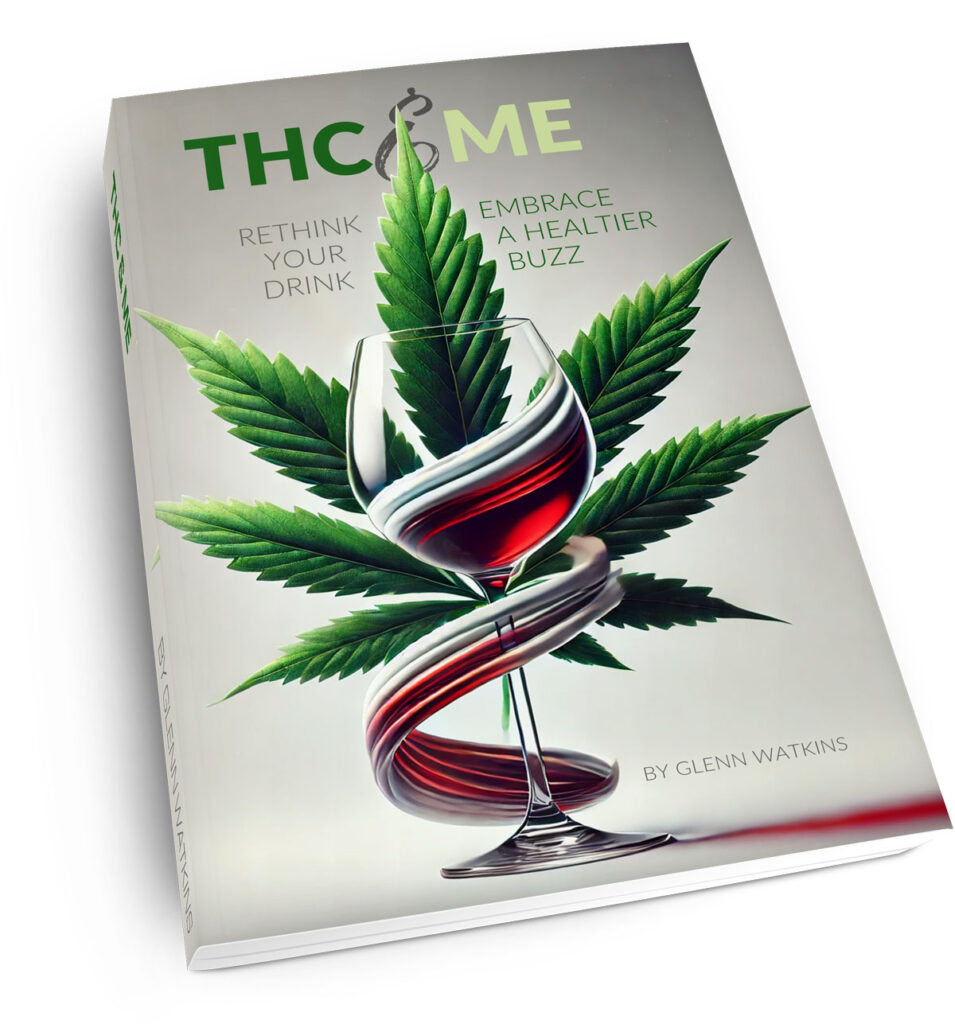
Discover why so many are choosing THC as a safer, healthier alternative to alcohol. Dive into THC & Me—a compelling, eye-opening guide that challenges myths, reveals surprising truths, and helps you embrace a clearer, healthier, and more enjoyable life.
Don't wait—take control of your wellness journey today!
dronabinol, nabilone, tetrahydrocannabinol, cannabinoid, substance abuse, nabiximols, receptor, cannabinoid receptor, cannabinol, brain, food and drug administration, medication, hash oil, pharmacology, pain, chemical substance, therapy, disease, endocannabinoid system, cell, injury, drug, oil, nausea, agonist, addiction, dose, stimulant, drug test, appetite, controlled substances act, side effect, removal of cannabis from schedule i of the controlled substances act, research, convention on psychotropic substances, tetrahydrocannabivarin, drug enforcement administration, opioid, vomiting, inflammation, alternative medicine, label, nervous system, solvent, hexahydrocannabinol, tetrahydrocannabiphorol, memory, resin, dopamine, extract, concentration, molecule, potency, tincture, brand, capsule, drug interaction, weight, liver, risk, organ, opiate, kief, immune system, hormone, ingredient, law, terpene, butane, active ingredient, tissue, behavior, nerve, appetite stimulant, central nervous system, regulation, methamphetamine, harm reduction, stress, evidence, world health organization, mood, breastfeeding, bioavailability, acid, absorption, entourage effect, ultraviolet, cannabigerol, metabolite, sedative, active metabolite, analgesic, cannabigerolic acid, saint kitts and nevis, personal data, cbn, cookies policy, south, category, moldova, efficacy, united arab emirates, substance dependence, dietary supplement, drug policy, hallucinogen, leaf, systematic review, anandamide, cognition, drug policy alliance, drug withdrawal, lung, narcotic, heart rate, tobacco smoke, perception, war on drugs, patient, seizure, weight loss, mayo clinic, mechanism of action, physician, mitragyna speciosa, psilocybin, amphetamine, pharmacokinetics, motivation, opioid use disorder, lung cancer, urine, serotonin, dizziness, time perception, national center for complementary and integrative health, lotion, sublingual administration, breathing, alcohol intoxication, reuptake inhibitor, culture, national conference of state legislatures, amotivational syndrome, seed, controlled substance, adverse effect, panic, bud, zinc, attention, pain management, reward system, hallucinogen persisting perception disorder, mouth, intelligence quotient, policy, fat, carbon, paranoia, reuptake, encyclopedia, motor coordination, anxiolytic, relaxation, prefrontal cortex, united states department of health and human services, surgery, calcium, hydrogen, centers for disease control and prevention, biology, oral administration, somnolence, health effects, medical, substance, drugs, cannabis abuse
Frequently Asked Questions
Are THC gummies legal in Florida?
THC gummies are legal in Florida for medicinal use with a valid medical marijuana card. However, recreational use remains illegal, and users should remain informed about state regulations.
Are THC gummies legal in NJ?
The legality of THC gummies in NJ is that they are legal for adults 21 and over, provided they are purchased from licensed dispensaries in accordance with state regulations.
Are THC drinks legal in South Carolina?
THC drinks are currently not legal in South Carolina. As of now, the state has strict regulations regarding cannabis products, and any beverages containing THC remain prohibited.
Are THC gummies legal in Texas?
The legality of THC gummies in Texas is complex. Currently, THC gummies, containing tetrahydrocannabinol, are not legal unless they are derived from hemp and contain less than 0.3% THC by dry weight.
Are THC gummies legal in NC?
The legality of THC gummies in North Carolina is nuanced. While hemp-derived THC products containing 0.3% or less of delta-9 THC are legal, gummies with higher concentrations of THC may be prohibited. Always check current regulations to ensure compliance.
What regulations govern THC gummies in Florida?
The regulations governing THC gummies in Florida primarily stem from the state's medical cannabis laws. Only licensed medical marijuana dispensaries may sell THC-containing products, including gummies, to registered patients.
How to verify THC gummies legality in NJ?
To verify the legality of THC gummies in NJ, check for products that are labeled as compliant with state laws and ensure they contain hemp-derived THC within the legal THC limits established by New Jersey legislation.
Are there restrictions on THC drinks in South Carolina?
Restrictions on THC drinks in South Carolina exist, as the state currently prohibits the sale and distribution of products containing THC, including beverages. Always check local laws for updates.
What is the legal status of THC gummies in Texas?
The legal status of THC gummies in Texas is currently unclear. While hemp-derived THC products containing less than 0.3% Delta-9 THC are legal, gummies with higher concentrations may be considered illegal under state law.
How do laws affect THC gummies in NC?
Laws significantly impact the legality and regulation of THC gummies in NC. Currently, THC derived from hemp is permitted, allowing sales of low-THC gummies under specific regulations, while higher-THC products remain illegal.
Can I purchase THC gummies in Florida legally?
Purchasing THC gummies in Florida is legal only for patients with a medical marijuana card. Recreational use of THC products, including gummies, remains illegal in the state.
What age restrictions apply to THC gummies in NJ?
The age restrictions for THC gummies in New Jersey mandate that consumers must be at least 21 years old to purchase and possess them legally.
Are THC drinks taxed in South Carolina?
THC drinks are subject to taxation in South Carolina, similar to how other consumable products are taxed. It's important to consult local regulations for the most accurate and up-to-date tax information.
What are the penalties for illegal THC gummies in Texas?
The penalties for illegal THC gummies in Texas can vary significantly. Possession may result in fines up to $2,000 and potentially up to 180 days in jail, depending on the quantity and circumstances surrounding the offense.
Do THC gummies have to meet health standards in NC?
THC gummies must adhere to health standards in North Carolina. These regulations ensure product safety, labeling accuracy, and consistency, promoting consumer confidence in the quality of cannabis edibles available in the state.
Are there limits on THC content in Florida gummies?
There are restrictions on THC content in gummies sold in Florida. Specifically, products may contain up to 10 mg of THC per serving and a maximum of 200 mg per package.
Can businesses sell THC gummies in NJ?
Businesses can sell THC gummies in New Jersey, provided they are licensed to operate within the state's regulated cannabis market. All products must comply with state regulations regarding quality and safety.
What evidence supports THC drinks legality in South Carolina?
Evidence supporting the legality of THC drinks in South Carolina includes the state's laws allowing hemp-derived products and the 2018 Farm Bill, which legalized hemp and its derivatives, provided they contain less than 0.3% THC.
Are THC gummies allowed for medical use in Texas?
THC gummies are allowed for medical use in Texas, but they are only available to patients with a valid recommendation from a registered physician under the state's medical cannabis program.
What local laws impact THC gummies in NC?
Local laws impacting THC gummies in NC include regulations that restrict the sale, possession, and distribution of hemp-derived products. As of now, THC gummies containing less than 0.3% THC are legal, while those with higher concentrations may face legal restrictions.
How is THC gummies legality enforced in Florida?
The enforcement of THC gummies legality in Florida involves regulation by state laws that govern medical marijuana use, ensuring the products meet safety standards and dosages while remaining accessible only to registered patients.
Do THC drinks require labeling in South Carolina?
THC drinks in South Carolina do require labeling. Labels must include information such as serving size, THC content, and any other relevant details to ensure consumer awareness and safety.
What should consumers know about THC gummies in NJ?
Consumers should be aware that THC gummies in NJ are legal for recreational use for adults 21 and over, and they typically contain a specific dosage of THC. It's important to check product labeling for potency and source them from licensed dispensaries for safety.
Are there legal age limits for THC drinks in Texas?
The legal age limits for THC drinks in Texas require consumers to be at least 21 years old. This aligns with regulations similar to those for alcohol, ensuring responsible consumption of THC-infused beverages.
What makes THC gummies illegal in some states?
The legality of THC gummies in some states is primarily due to differing state laws regarding cannabis products. While some states have legalized THC, others maintain strict regulations or outright bans, impacting the sale and use of THC-infused edibles.
How to find reliable info on THC gummies legality?
Finding reliable information on THC gummies legality involves consulting reputable sources such as government websites, legal cannabis organizations, and trusted cannabis advocacy groups, as they offer up-to-date and accurate legal guidelines specific to your location.
Can THC drinks be shipped to South Carolina?
THC drinks cannot be shipped to South Carolina due to state regulations prohibiting the sale and distribution of cannabis products that contain THC. Always check local laws for the latest updates.
What resources explain THC gummies laws in Florida?
Resources explaining THC gummies laws in Florida include state government websites, legal journals, and cannabis advocacy organizations. Websites like the Florida Department of Health and the Florida Cannabis Business Association provide official guidelines and updates on THC regulations.
How can I report illegal THC gummies in NJ?
To report illegal THC gummies in NJ, contact the New Jersey Division of Consumer Affairs or your local law enforcement agency. Provide details about the product and its seller to assist in the investigation.
What advocacy exists for THC drinks legalization in states?
Advocacy for THC drinks legalization in states primarily involves grassroots organizations, cannabis industry groups, and public health advocates pushing for reforms that highlight safety, potential tax revenues, and responsible consumption.
dronabinol, nabilone, tetrahydrocannabinol, cannabinoid, substance abuse, nabiximols, receptor, cannabinoid receptor, cannabinol, brain, food and drug administration, medication, hash oil, pharmacology, pain, chemical substance, therapy, disease, endocannabinoid system, cell, injury, drug, oil, nausea, agonist, addiction, dose, stimulant, drug test, appetite, controlled substances act, side effect, removal of cannabis from schedule i of the controlled substances act, research, convention on psychotropic substances, tetrahydrocannabivarin, drug enforcement administration, opioid, vomiting, inflammation, alternative medicine, label, nervous system, solvent, hexahydrocannabinol, tetrahydrocannabiphorol, memory, resin, dopamine, extract, concentration, molecule, potency, tincture, brand, capsule, drug interaction, weight, liver, risk, organ, opiate, kief, immune system, hormone, ingredient, law, terpene, butane, active ingredient, tissue, behavior, nerve, appetite stimulant, central nervous system, regulation, methamphetamine, harm reduction, stress, evidence, world health organization, mood, breastfeeding, bioavailability, acid, absorption, entourage effect, ultraviolet, cannabigerol, metabolite, sedative, active metabolite, analgesic, cannabigerolic acid, saint kitts and nevis, personal data, cbn, cookies policy, south, category, moldova, efficacy, united arab emirates, substance dependence, dietary supplement, drug policy, hallucinogen, leaf, systematic review, anandamide, cognition, drug policy alliance, drug withdrawal, lung, narcotic, heart rate, tobacco smoke, perception, war on drugs, patient, seizure, weight loss, mayo clinic, mechanism of action, physician, mitragyna speciosa, psilocybin, amphetamine, pharmacokinetics, motivation, opioid use disorder, lung cancer, urine, serotonin, dizziness, time perception, national center for complementary and integrative health, lotion, sublingual administration, breathing, alcohol intoxication, reuptake inhibitor, culture, national conference of state legislatures, amotivational syndrome, seed, controlled substance, adverse effect, panic, bud, zinc, attention, pain management, reward system, hallucinogen persisting perception disorder, mouth, intelligence quotient, policy, fat, carbon, paranoia, reuptake, encyclopedia, motor coordination, anxiolytic, relaxation, prefrontal cortex, united states department of health and human services, surgery, calcium, hydrogen, centers for disease control and prevention, biology, oral administration, somnolence, health effects, medical, substance, drugs, cannabis abuse
Frequently Asked Questions
Are THC gummies legal in Florida?
THC gummies are legal in Florida for medicinal use with a valid medical marijuana card. However, recreational use remains illegal, and users should remain informed about state regulations.
Are THC gummies legal in NJ?
The legality of THC gummies in NJ is that they are legal for adults 21 and over, provided they are purchased from licensed dispensaries in accordance with state regulations.
Are THC drinks legal in South Carolina?
THC drinks are currently not legal in South Carolina. As of now, the state has strict regulations regarding cannabis products, and any beverages containing THC remain prohibited.
Are THC gummies legal in Texas?
The legality of THC gummies in Texas is complex. Currently, THC gummies, containing tetrahydrocannabinol, are not legal unless they are derived from hemp and contain less than 0.3% THC by dry weight.
Are THC gummies legal in NC?
The legality of THC gummies in North Carolina is nuanced. While hemp-derived THC products containing 0.3% or less of delta-9 THC are legal, gummies with higher concentrations of THC may be prohibited. Always check current regulations to ensure compliance.
What regulations govern THC gummies in Florida?
The regulations governing THC gummies in Florida primarily stem from the state's medical cannabis laws. Only licensed medical marijuana dispensaries may sell THC-containing products, including gummies, to registered patients.
How to verify THC gummies legality in NJ?
To verify the legality of THC gummies in NJ, check for products that are labeled as compliant with state laws and ensure they contain hemp-derived THC within the legal THC limits established by New Jersey legislation.
Are there restrictions on THC drinks in South Carolina?
Restrictions on THC drinks in South Carolina exist, as the state currently prohibits the sale and distribution of products containing THC, including beverages. Always check local laws for updates.
What is the legal status of THC gummies in Texas?
The legal status of THC gummies in Texas is currently unclear. While hemp-derived THC products containing less than 0.3% Delta-9 THC are legal, gummies with higher concentrations may be considered illegal under state law.
How do laws affect THC gummies in NC?
Laws significantly impact the legality and regulation of THC gummies in NC. Currently, THC derived from hemp is permitted, allowing sales of low-THC gummies under specific regulations, while higher-THC products remain illegal.
Can I purchase THC gummies in Florida legally?
Purchasing THC gummies in Florida is legal only for patients with a medical marijuana card. Recreational use of THC products, including gummies, remains illegal in the state.
What age restrictions apply to THC gummies in NJ?
The age restrictions for THC gummies in New Jersey mandate that consumers must be at least 21 years old to purchase and possess them legally.
Are THC drinks taxed in South Carolina?
THC drinks are subject to taxation in South Carolina, similar to how other consumable products are taxed. It's important to consult local regulations for the most accurate and up-to-date tax information.
What are the penalties for illegal THC gummies in Texas?
The penalties for illegal THC gummies in Texas can vary significantly. Possession may result in fines up to $2,000 and potentially up to 180 days in jail, depending on the quantity and circumstances surrounding the offense.
Do THC gummies have to meet health standards in NC?
THC gummies must adhere to health standards in North Carolina. These regulations ensure product safety, labeling accuracy, and consistency, promoting consumer confidence in the quality of cannabis edibles available in the state.
Are there limits on THC content in Florida gummies?
There are restrictions on THC content in gummies sold in Florida. Specifically, products may contain up to 10 mg of THC per serving and a maximum of 200 mg per package.
Can businesses sell THC gummies in NJ?
Businesses can sell THC gummies in New Jersey, provided they are licensed to operate within the state's regulated cannabis market. All products must comply with state regulations regarding quality and safety.
What evidence supports THC drinks legality in South Carolina?
Evidence supporting the legality of THC drinks in South Carolina includes the state's laws allowing hemp-derived products and the 2018 Farm Bill, which legalized hemp and its derivatives, provided they contain less than 0.3% THC.
Are THC gummies allowed for medical use in Texas?
THC gummies are allowed for medical use in Texas, but they are only available to patients with a valid recommendation from a registered physician under the state's medical cannabis program.
What local laws impact THC gummies in NC?
Local laws impacting THC gummies in NC include regulations that restrict the sale, possession, and distribution of hemp-derived products. As of now, THC gummies containing less than 0.3% THC are legal, while those with higher concentrations may face legal restrictions.
How is THC gummies legality enforced in Florida?
The enforcement of THC gummies legality in Florida involves regulation by state laws that govern medical marijuana use, ensuring the products meet safety standards and dosages while remaining accessible only to registered patients.
Do THC drinks require labeling in South Carolina?
THC drinks in South Carolina do require labeling. Labels must include information such as serving size, THC content, and any other relevant details to ensure consumer awareness and safety.
What should consumers know about THC gummies in NJ?
Consumers should be aware that THC gummies in NJ are legal for recreational use for adults 21 and over, and they typically contain a specific dosage of THC. It's important to check product labeling for potency and source them from licensed dispensaries for safety.
Are there legal age limits for THC drinks in Texas?
The legal age limits for THC drinks in Texas require consumers to be at least 21 years old. This aligns with regulations similar to those for alcohol, ensuring responsible consumption of THC-infused beverages.
What makes THC gummies illegal in some states?
The legality of THC gummies in some states is primarily due to differing state laws regarding cannabis products. While some states have legalized THC, others maintain strict regulations or outright bans, impacting the sale and use of THC-infused edibles.
How to find reliable info on THC gummies legality?
Finding reliable information on THC gummies legality involves consulting reputable sources such as government websites, legal cannabis organizations, and trusted cannabis advocacy groups, as they offer up-to-date and accurate legal guidelines specific to your location.
Can THC drinks be shipped to South Carolina?
THC drinks cannot be shipped to South Carolina due to state regulations prohibiting the sale and distribution of cannabis products that contain THC. Always check local laws for the latest updates.
What resources explain THC gummies laws in Florida?
Resources explaining THC gummies laws in Florida include state government websites, legal journals, and cannabis advocacy organizations. Websites like the Florida Department of Health and the Florida Cannabis Business Association provide official guidelines and updates on THC regulations.
How can I report illegal THC gummies in NJ?
To report illegal THC gummies in NJ, contact the New Jersey Division of Consumer Affairs or your local law enforcement agency. Provide details about the product and its seller to assist in the investigation.
What advocacy exists for THC drinks legalization in states?
Advocacy for THC drinks legalization in states primarily involves grassroots organizations, cannabis industry groups, and public health advocates pushing for reforms that highlight safety, potential tax revenues, and responsible consumption.