CBD, or cannabidiol, is among the most widely recognized cannabinoids from the cannabis plant, celebrated for its extensive therapeutic benefits and non-intoxicating properties. Unlike THC, CBD does not produce a psychoactive “high,” making it incredibly appealing for individuals seeking wellness benefits without the intoxicating effects associated with traditional cannabis products. This extensive guide covers everything you need to understand about CBD: what it is, how it’s used, how it differs from other cannabinoids, its taste and feel, history and science explained simply, and its practical role in everyday drinking, smoking, and edible habits. Additionally, CBD is often compared to other cannabinoids, such as CBG, or cannabigerol, which is gaining attention for its potential therapeutic applications. As research continues to unveil the unique benefits of each cannabinoid, consumers are becoming more informed about their options and how they can incorporate these compounds into their daily lives. Whether through oils, capsules, or infused beverages, understanding the properties of CBD and CBG can empower individuals to make more informed choices about their wellness journeys.
What Exactly is CBD?
CBD, short for cannabidiol, is one of over 100 cannabinoids naturally occurring in cannabis plants, predominantly in hemp strains. Known primarily for its therapeutic effects, CBD interacts with the body’s endocannabinoid system (ECS), a network crucial for maintaining bodily balance, regulating stress, mood, sleep, pain perception, immune function, and inflammation.
CBD vs. THC: Understanding the Crucial Differences
Psychoactivity:
CBD: Non-intoxicating; will not produce a traditional “high.”
THC: Highly psychoactive; responsible for cannabis’s euphoric effects.
Therapeutic Use:
CBD: Widely recognized for relieving anxiety, inflammation, chronic pain, seizures, and sleep disorders without intoxication.
THC: Effective for pain relief, appetite stimulation, and sleep but often accompanied by psychoactive effects.
How Does CBD Feel and Taste?
CBD typically provides calming, relaxing sensations without intoxicating effects. Users report:
Reduction in anxiety and stress.
Improved sleep quality.
Relief from chronic pain or inflammation.
Enhanced mood and emotional balance.
CBD itself has a mild, earthy, somewhat grassy taste. Product flavoring varies greatly:
Tinctures: Often flavored naturally or artificially to mask earthy hemp tastes.
Edibles and Gummies: Usually sweet, fruity, or neutral, offering enjoyable, palatable options.
Vapes: Frequently incorporate natural terpenes for smooth, pleasant flavors.
Historical Background of CBD
Cannabis has a history dating back thousands of years, used medicinally and recreationally worldwide. CBD specifically was first isolated in 1940, but its therapeutic properties weren’t significantly explored until recent decades. Legalization of hemp-derived CBD products, especially after the 2018 U.S. Farm Bill, drastically boosted CBD’s popularity, making it mainstream globally.
The Science Behind CBD Explained Simply
CBD works by interacting primarily with the body’s ECS, comprising receptors (CB1 and CB2) spread throughout the body and brain. Unlike THC, CBD doesn’t strongly bind directly to these receptors. Instead, it modulates ECS activity, enhancing its natural balance-promoting effects, reducing inflammation, and relieving pain without causing psychoactive effects.
Potential Therapeutic Benefits of CBD
CBD is widely researched for its extensive potential health benefits, including:
Anxiety and Stress Relief: Shown to significantly reduce anxiety symptoms, enhance mood, and promote calmness without sedation.
Pain Management: Effective for various pain types, including chronic pain, inflammation, arthritis, and neuropathic pain.
Improved Sleep: Assists with insomnia by regulating sleep-wake cycles and reducing anxiety-related sleep disturbances.
Neuroprotective Properties: Potential therapeutic effects on neurological disorders like epilepsy, multiple sclerosis, and neurodegenerative conditions like Parkinson’s and Alzheimer’s.
Practical Uses of CBD in Daily Life
CBD is versatile and easily incorporated into daily routines:
Stress and Anxiety Management
Ideal for daily stress relief, providing calmness without intoxication.
Pain Relief and Recovery
Beneficial post-workout or for managing chronic pain, inflammation, and discomfort daily.
Sleep Support
Effective nightly use to improve sleep quality, duration, and consistency without morning grogginess.
Social and Recreational Use
Provides relaxation and enhanced social experiences without alcohol’s impairing effects, hangovers, or long-term health risks.
How to Consume CBD
CBD comes in various forms tailored to individual needs:
CBD Oils and Tinctures
Easy, fast-acting sublingual consumption (under the tongue).
CBD Gummies and Edibles
Controlled dosing, discrete, prolonged relief ideal for sustained effects.
CBD Capsules
Convenient, precise dosing, suitable for regular supplementation.
Topical CBD Products
Ideal for targeted relief of localized inflammation, joint pain, or skin conditions.
CBD Beverages
Increasingly popular as alcohol alternatives, offering relaxation and social enjoyment without negative effects associated with alcohol.
CBD Vaping
Quick onset; suited for immediate stress or anxiety relief.
Legal Status of CBD
CBD derived from hemp (containing less than 0.3% THC) is federally legal in the U.S., thanks to the 2018 Farm Bill. Marijuana-derived CBD legality varies by state, typically permitted only in states with medical or recreational cannabis legalization. Always verify local regulations before purchasing.
Potential Side Effects and Safety Considerations
CBD is generally safe and well-tolerated. However, potential mild side effects include:
Drowsiness (in higher doses).
Dry mouth (manageable with hydration).
Interactions with certain medications (consult healthcare providers before starting CBD).
Beginning with low doses and gradually adjusting ensures safe, effective usage.
Taste and Consumption Experience
CBD products typically offer mild, pleasant experiences:
Tinctures and Oils: Often flavored with mint, citrus, or other natural flavors.
Edibles: Enjoyable taste profiles, making them convenient and appealing.
Topicals: Usually neutral-scented, applied directly to skin without noticeable taste or psychoactive effects.
CBD as a Complement or Alternative to Drinking, Smoking, and Edibles
Alcohol Alternative: CBD-infused beverages or gummies offer relaxation, improved mood, and stress relief without alcohol’s negative health impacts, impaired judgment, or hangovers.
Smoking Alternative: CBD vaping or tinctures provide similar relaxation and anxiety relief without harmful smoke exposure, making them healthier, lung-friendly options.
Edible Enhancement: CBD edibles deliver consistent, reliable effects suitable for daily stress management, pain relief, or relaxation without traditional THC edibles’ psychoactivity.
Why CBD Matters in Your Lifestyle
CBD offers substantial therapeutic and wellness benefits, allowing users to improve their quality of life naturally and safely. Whether your goal is anxiety relief, pain management, better sleep, or healthier social habits, CBD provides effective solutions without the intoxicating effects or risks associated with THC or alcohol.
Looking Ahead: Embracing CBD in Your Wellness Journey
As CBD research expands, understanding and harnessing its full potential will only grow, making it a staple in modern wellness practices. Its versatility, safety, and extensive therapeutic benefits position CBD as an essential cannabinoid for maintaining health, managing stress, and enhancing everyday life.
Explore more comprehensive cannabinoid guides and practical wellness tips at THC & Me. Embrace CBD confidently to enhance your daily wellness, lifestyle, and overall health journey.
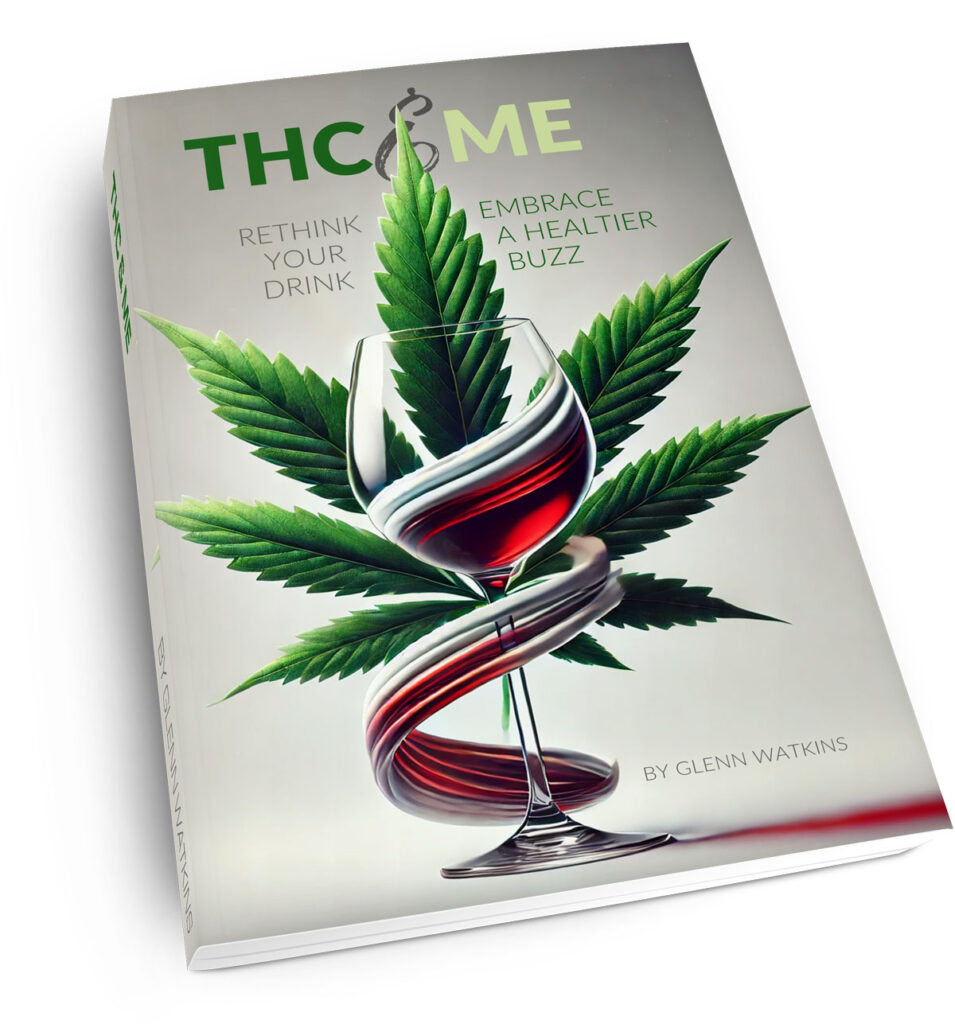
Discover why so many are choosing THC as a safer, healthier alternative to alcohol. Dive into THC & Me—a compelling, eye-opening guide that challenges myths, reveals surprising truths, and helps you embrace a clearer, healthier, and more enjoyable life.
Don't wait—take control of your wellness journey today!
oil, disease, food and drug administration, pain, endocannabinoid system, tetrahydrocannabinol, cannabinoid, research, receptor, therapy, medication, dose, inflammation, stress, cannabinoid receptor, brain, drug test, chemical compound, bioavailability, controlled substances act, mood, injury, evidence, absorption, tincture, cannabinol, tongue, molecule, seizure, drug, appetite, capsule, comprehensive, certificate of analysis, lotion, homeostasis, isbn, immune system, entourage effect, memory, substance abuse, cosmetics, fatigue, nervous system, world health organization, ebook, cannabigerol, sleep, liver, dietary supplement, cooking, solubility, lung, efficacy, hardcover, serotonin, tetrahydrocannabinolic acid, percentage, physician, alternative medicine, blood pressure, anecdotal evidence, consumer, hormone, south dakota, patient, attention, promise, central nervous system, raphael mechoulam, pain management, rhode island, risk, ingredient, paranoia, addiction, therapeutic effect, muscle, opioid use disorder, iowa, nausea, diet, paperback, trade paperback, add to cart, anxiety relief, beauty, fiction, controlled substance, acid, utah, idaho, concentration, species, bottle, taste, new mexico
Frequently Asked Questions
What should you not do when taking CBD?
When taking CBD, you should avoid mixing it with alcohol or other substances, as this can enhance its effects unpredictably. Additionally, refrain from exceeding the recommended dosage and consult a healthcare professional if you're on other medications.
Is there a downside to taking CBD?
The downsides to taking CBD can include potential side effects such as fatigue, changes in appetite, and interactions with other medications. It's advisable to consult a healthcare professional before starting any CBD regimen, especially for individuals on other treatments.
Do you actually feel anything from CBD?
The impact of CBD can vary among individuals. While some may experience calming effects, relief from discomfort, or improved mood, others may not notice any significant changes. It's essential to consider personal body chemistry and dosage when evaluating its effects.
What is the most effective CBD method?
The most effective CBD method depends on individual goals and preferences. Generally, sublingual oils and tinctures provide rapid absorption for immediate effects, while edibles and capsules offer prolonged effects, making them popular for sustained relief.
What are common side effects of CBD?
The common side effects of CBD include fatigue, changes in appetite, and diarrhea. Although CBD is generally well-tolerated, some individuals may experience these mild effects, particularly at higher doses.
How long do CBD effects last?
The duration of CBD effects can vary based on individual factors and usage methods. Generally, effects may last from 2 to 6 hours, depending on factors like dosage, body weight, and metabolism.
Can CBD interact with medications?
CBD can interact with medications. It may affect how certain drugs are metabolized in the liver, potentially altering their effectiveness. Always consult with a healthcare professional before combining CBD with any medications.
What dosage of CBD is recommended?
The recommended dosage of CBD varies, but starting with 5-10 mg per day is common. Adjustments can be made based on individual response and needs, with some finding benefits at higher doses. Always consult with a healthcare professional for personalized advice.
Is CBD safe for pets?
CBD's safety for pets depends on several factors, including dosage and individual health. While many pet owners report positive effects, it's essential to consult a veterinarian before introducing CBD to ensure it's appropriate for your pet's needs.
How to choose quality CBD products?
Choosing quality CBD products involves looking for third-party lab testing results, ensuring the product is derived from organic hemp, checking the concentration of CBD, and reading user reviews for efficacy and safety.
the complete guide to cbd, cbd for beginners, cbd guide, cbd for dummies, cbd cannabidiol guide, what is cbd for dummies, learn about cbd
oil, disease, food and drug administration, pain, endocannabinoid system, tetrahydrocannabinol, cannabinoid, research, receptor, therapy, medication, dose, inflammation, stress, cannabinoid receptor, brain, drug test, chemical compound, bioavailability, controlled substances act, mood, injury, evidence, absorption, tincture, cannabinol, tongue, molecule, seizure, drug, appetite, capsule, comprehensive, certificate of analysis, lotion, homeostasis, isbn, immune system, entourage effect, memory, substance abuse, cosmetics, fatigue, nervous system, world health organization, ebook, cannabigerol, sleep, liver, dietary supplement, cooking, solubility, lung, efficacy, hardcover, serotonin, tetrahydrocannabinolic acid, percentage, physician, alternative medicine, blood pressure, anecdotal evidence, consumer, hormone, south dakota, patient, attention, promise, central nervous system, raphael mechoulam, pain management, rhode island, risk, ingredient, paranoia, addiction, therapeutic effect, muscle, opioid use disorder, iowa, nausea, diet, paperback, trade paperback, add to cart, anxiety relief, beauty, fiction, controlled substance, acid, utah, idaho, concentration, species, bottle, taste, new mexico
Frequently Asked Questions
What should you not do when taking CBD?
When taking CBD, you should avoid mixing it with alcohol or other substances, as this can enhance its effects unpredictably. Additionally, refrain from exceeding the recommended dosage and consult a healthcare professional if you're on other medications.
Is there a downside to taking CBD?
The downsides to taking CBD can include potential side effects such as fatigue, changes in appetite, and interactions with other medications. It's advisable to consult a healthcare professional before starting any CBD regimen, especially for individuals on other treatments.
Do you actually feel anything from CBD?
The impact of CBD can vary among individuals. While some may experience calming effects, relief from discomfort, or improved mood, others may not notice any significant changes. It's essential to consider personal body chemistry and dosage when evaluating its effects.
What is the most effective CBD method?
The most effective CBD method depends on individual goals and preferences. Generally, sublingual oils and tinctures provide rapid absorption for immediate effects, while edibles and capsules offer prolonged effects, making them popular for sustained relief.
What are common side effects of CBD?
The common side effects of CBD include fatigue, changes in appetite, and diarrhea. Although CBD is generally well-tolerated, some individuals may experience these mild effects, particularly at higher doses.
How long do CBD effects last?
The duration of CBD effects can vary based on individual factors and usage methods. Generally, effects may last from 2 to 6 hours, depending on factors like dosage, body weight, and metabolism.
Can CBD interact with medications?
CBD can interact with medications. It may affect how certain drugs are metabolized in the liver, potentially altering their effectiveness. Always consult with a healthcare professional before combining CBD with any medications.
What dosage of CBD is recommended?
The recommended dosage of CBD varies, but starting with 5-10 mg per day is common. Adjustments can be made based on individual response and needs, with some finding benefits at higher doses. Always consult with a healthcare professional for personalized advice.
Is CBD safe for pets?
CBD's safety for pets depends on several factors, including dosage and individual health. While many pet owners report positive effects, it's essential to consult a veterinarian before introducing CBD to ensure it's appropriate for your pet's needs.
How to choose quality CBD products?
Choosing quality CBD products involves looking for third-party lab testing results, ensuring the product is derived from organic hemp, checking the concentration of CBD, and reading user reviews for efficacy and safety.