When it comes to cannabis, you’ve likely heard of THC—but have you heard of Delta 8? Delta 8 THC is quickly gaining popularity for good reason. It provides many of the same enjoyable effects as traditional THC (Delta 9), but with subtle differences that make it a great option for newcomers or anyone looking for a milder, smoother cannabis experience. In this comprehensive guide, we’ll cover everything you need to know about Delta 8 THC—what it is, how it’s used, how it differs from other types of THC, and why it might matter in your daily life.
What Exactly Is Delta 8?
Delta 8 THC (delta-8-tetrahydrocannabinol) is one of over 100 cannabinoids naturally found in the cannabis plant. It’s chemically similar to Delta 9 THC—the cannabinoid most famous for the traditional “high” associated with marijuana—but it differs slightly at the molecular level. This small difference results in milder psychoactive effects, making Delta 8 a more approachable option for those new to THC or sensitive to cannabis’s stronger effects.
Delta 8 vs. Delta 9: What’s the Difference?
Delta 8 and Delta 9 THC differ slightly in their chemical structures. While Delta 9 binds strongly to CB1 receptors in the brain, creating a powerful psychoactive effect, Delta 8’s bond is weaker. This results in a gentler, more manageable experience that many users describe as clear-headed and calming, rather than overwhelmingly euphoric or anxiety-inducing.
How Does Delta 8 Feel?
Delta 8 THC is often described as a relaxing, mild, and uplifting experience. Users commonly report: Delta 8 THC is often described as a relaxing, mild, and uplifting experience. Users commonly report feeling a gentle euphoria and a reduction in anxiety, making it a preferred choice for those looking to unwind without the intensity associated with Delta 9 THC. Additionally, many appreciate its ability to provide pain relief and enhance creativity without the paranoia that can sometimes accompany stronger cannabinoids like Delta 9 THC. Overall, Delta 8 THC offers a more subtle alternative for recreational and therapeutic use.
Relaxation and stress relief
Mild euphoria without intense anxiety or paranoia
Increased mental clarity and focus
Enhanced mood and sense of well-being
Gentle relief from aches and pains
Improved sleep quality
Unlike Delta 9, Delta 8 rarely induces anxiety or paranoia, making it ideal for those sensitive to stronger cannabis products.
Delta 8 vs. Delta 9: The Differences Matter
Potency and Effects:
Delta 8: Milder psychoactive effects, calming, clear-headed, less risk of anxiety.
Delta 9: Stronger psychoactive effects, intense euphoria, higher risk of anxiety or paranoia.
Legality:
Delta 8: Federally legal if derived from hemp (less than 0.3% Delta 9 THC).
Delta 9: Federally restricted when derived from marijuana, though hemp-derived Delta 9 (<0.3%) is federally legal.
How Is Delta 8 Used?
Delta 8 is incredibly versatile, available in multiple forms tailored to various preferences:
Gummies and Edibles: Precise dosing, longer-lasting effects, discreet and convenient.
Tinctures: Easy dose adjustments, fast-acting effects when placed under the tongue.
Vape Cartridges: Quick onset, ideal for immediate relief or relaxation.
THC Beverages: Excellent alternatives to alcohol, providing a familiar drinking experience without alcohol’s side effects.
Topicals: Ideal for localized pain relief and inflammation reduction without psychoactive effects.
The History and Legal Status of Delta 8
Delta 8 THC isn’t a new discovery—scientists first identified it in the 1960s—but it wasn’t widely available until recently. The 2018 Farm Bill dramatically changed cannabis accessibility, federally legalizing hemp and all hemp-derived cannabinoids, provided they contain less than 0.3% Delta 9 THC by dry weight. This opened the door for legal Delta 8 products nationwide, leading to its surge in popularity.
The Science Behind Delta 8: Simplified
Delta 8 THC interacts with the body’s endocannabinoid system (ECS), a complex network of receptors that regulates mood, sleep, appetite, stress, and pain. Specifically, Delta 8 binds to CB1 receptors in the brain and CB2 receptors in the immune system, resulting in relaxation, pain relief, and improved mood.
In simpler terms, Delta 8 gently activates your body’s natural calming and pain-relief mechanisms without the intensity or negative side effects sometimes experienced with Delta 9 THC.
Taste and Experience of Delta 8 Products
Delta 8 products, particularly gummies and beverages, usually taste enjoyable, often masking the earthy, herbal taste associated with cannabis. Many Delta 8 gummies have fruity or sweet flavors, making them an appealing alternative to traditional cannabis edibles.
Why Choose Delta 8 Over Alcohol?
Replacing alcohol with Delta 8 is growing popular because Delta 8 provides relaxation and enjoyment without alcohol’s negative health impacts:
No hangover: Delta 8 doesn’t cause the dehydration, headaches, or fatigue associated with alcohol.
Better sleep: Delta 8 promotes deeper, healthier sleep, unlike alcohol which disrupts REM sleep.
Healthier metabolism: Alcohol slows metabolism; Delta 8 supports healthier metabolic functions, aiding in weight management and overall health.
Safe, Responsible Use of Delta 8
As with any cannabinoid, responsible use is key. Follow these guidelines:
Start low and go slow: Begin with small doses and gradually increase as needed.
Select quality products: Choose products with clear labeling, transparent third-party lab testing, and reputable brands.
Understand local laws: Familiarize yourself with your state’s specific regulations regarding Delta 8.
Know your limits: Stay aware of your personal tolerance to avoid discomfort.
Potential Side Effects and Considerations
While Delta 8 is generally safe, potential side effects can include mild dizziness, dry mouth, or increased appetite. These effects are typically manageable with hydration, mindful eating, and dose control.
Integrating Delta 8 into Your Daily Routine
Delta 8 easily fits into a daily wellness routine. Consider these practical tips:
Use edibles or tinctures at night for improved sleep and relaxation.
Try Delta 8 beverages socially as a healthier alternative to alcohol.
Incorporate topicals or low-dose gummies for daytime stress or pain relief without psychoactive disruption.
Personal Reflections: Why Delta 8 Matters
My personal journey with Delta 8 began as a curiosity and turned into a pivotal step toward better health, reduced stress, improved sleep, and sustainable weight management. Unlike alcohol, Delta 8 supports a healthier lifestyle, improving well-being without negative trade-offs.
Looking Forward with Delta 8
Delta 8 THC isn’t just another cannabis trend—it represents a genuine shift toward healthier, more informed choices about recreational substances. Whether you’re new to cannabis or exploring alternatives to alcohol, Delta 8 offers meaningful benefits worth exploring.
Embrace the Journey
Now that you’ve learned about Delta 8 THC, you’re well-equipped to make informed choices. Embrace this cannabinoid confidently, understanding how it can enhance your life, wellness, and everyday routines. Delta 8 isn’t just a substance—it’s a healthier, more balanced way to live.
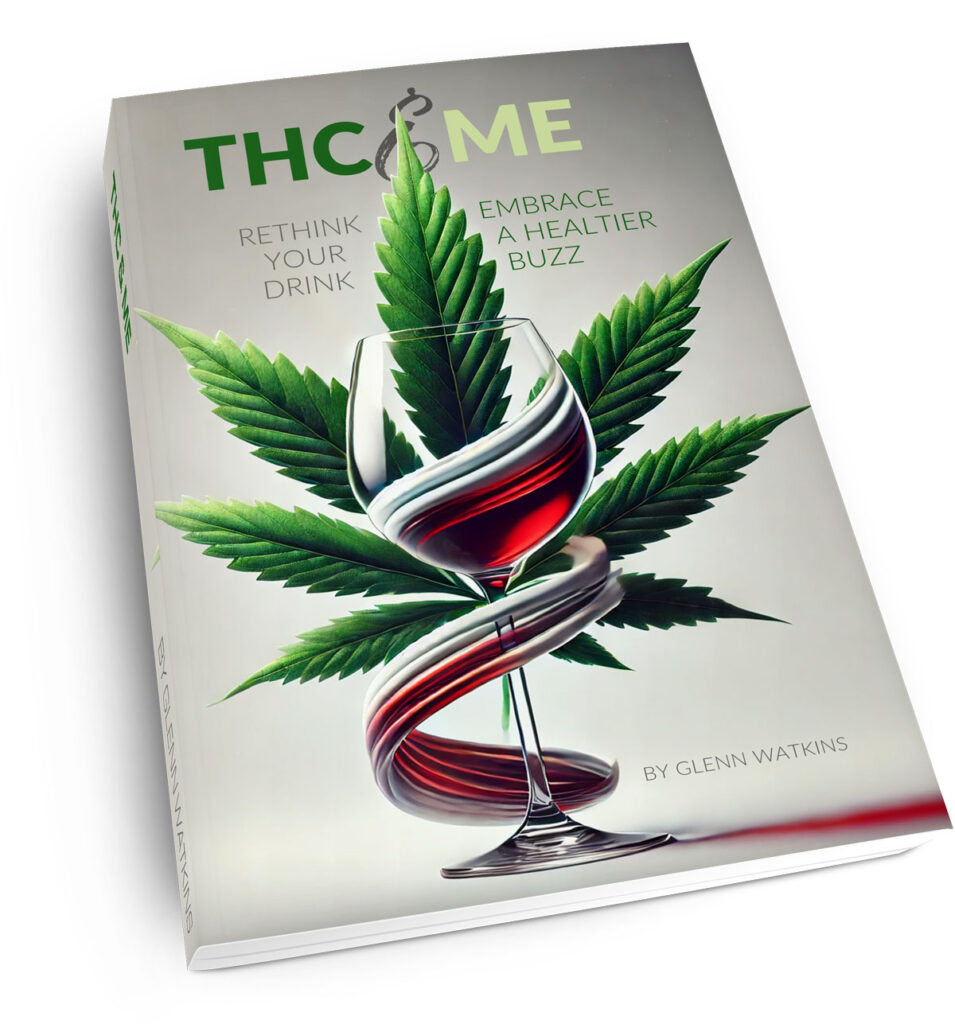
Ready to explore more about THC, cannabinoids, and wellness? Visit THC & Me for more friendly, insightful guides and practical tips.
Discover why so many are choosing THC as a safer, healthier alternative to alcohol. Dive into THC & Me—a compelling, eye-opening guide that challenges myths, reveals surprising truths, and helps you embrace a clearer, healthier, and more enjoyable life.
Don't wait—take control of your wellness journey today!
food and drug administration, substance abuse, tetrahydrocannabinol, cannabinoid, therapy, delta 8 side effects, medication, adverse effect, pain, dose, agriculture improvement act of 2018, heart rate, vomiting, poison, patient, side effect, paranoia, research, brain, stress, tachycardia, appetite, addiction, pain management, drug, chemical compound, dizziness, nausea, confusion, receptor, blood pressure, relaxation, regulation, opioid use disorder, drug test, attention, physician, contamination, consciousness, mood, disease, endocannabinoid system, bradycardia, consumer, coping, panic, memory, mouth, adverse event, risk, central nervous system, evidence, urine, pressure, weight, concentration, drug enforcement administration, creative commons license, irritation, tincture, metabolism, behavior, sleep, nervous system, health care provider, fatigue, vitamin, health care, nutrition, relapse, united states farm bill, dronabinol, controlled substances act, toxicity, pharmacology, isomer, acid, cannabinoid receptor, carbon, potency, hexahydrocannabinol, double bond, centers for disease control and prevention, solvent, type 2 diabetes, inflammation, chemical structure, oil, molecule, chemical synthesis, narcotic, delta 8 effects, law, llc, bipolar disorder, fda warning letter, policy, weight loss, sibling, time perception, agriculture, controlled substance, taste, university of michigan, feeling
Frequently Asked Questions
Does delta 8 have side effects?
Delta 8 THC can have side effects. Users may experience mild symptoms such as dry mouth, red eyes, increased hunger, or drowsiness, but these effects are generally less pronounced compared to traditional THC.
How long do effects of delta 8 last?
The duration of Delta 8 THC effects typically lasts between 3 to 8 hours, depending on factors such as dosage, individual tolerance, and method of consumption.
What are the psychological effects of delta 8?
The psychological effects of Delta 8 THC include relaxation, reduced anxiety, and enhanced mood. Users often report a milder high compared to Delta 9 THC, making it a suitable option for those seeking a more manageable experience.
What does delta 8 do for you?
Delta 8 THC provides a milder psychoactive experience compared to traditional THC, offering potential benefits such as relaxation, improved appetite, and reduced anxiety. It serves as a more approachable option for those new to cannabis or seeking softer effects.
What are the negative effects of d8?
The negative effects of Delta 8 THC can include dry mouth, fatigue, dizziness, and impaired cognitive function. Some users may also experience anxiety or paranoia, especially at higher doses.
What are the side effects of delta 8?
The side effects of Delta 8 THC can include dry mouth, drowsiness, increased appetite, and mild anxiety. Most users experience relatively mild effects, especially compared to traditional THC, making it a more approachable option for many.
What does delta 8 do to your body?
Delta 8 THC affects your body by interacting with the endocannabinoid system, potentially providing effects such as relaxation, mild euphoria, and pain relief, while being less potent than traditional THC, making it suitable for those seeking milder psychoactive experiences.
What are common side effects of delta 8?
The common side effects of Delta 8 THC include dry mouth, increased appetite, slight dizziness, and mild anxiety in some users. These effects can vary based on individual tolerance and dosage.
Can delta 8 cause anxiety or paranoia?
Delta 8 THC may cause anxiety or paranoia in some users, particularly those sensitive to cannabinoids. However, many find it to provide a milder experience compared to traditional THC, often easing anxiety rather than exacerbating it.
How do delta 8s effects compare to delta 9?
The effects of Delta 8 THC are generally considered milder compared to those of Delta 9 THC. Users often report a more clear-headed and less anxious experience with Delta 8, making it a preferable option for those sensitive to the stronger effects of Delta 9.
What symptoms indicate delta 8 side effects?
Symptoms that indicate Delta 8 side effects include dry mouth, drowsiness, changes in appetite, and mild anxiety. It's essential to monitor how you feel and adjust your dosage accordingly.
How does delta 8 impact mood and cognition?
The impact of Delta 8 on mood and cognition includes potential upliftment of mood, enhanced focus, and reduced anxiety, offering a milder alternative to Delta 9 THC for those seeking a balanced experience without overwhelming effects.
What duration should I expect for delta 8 effects?
The duration of Delta 8 THC effects typically lasts between 3 to 8 hours, depending on factors like dosage, individual tolerance, and consumption method. Users can expect a milder and more manageable experience compared to traditional THC.
Who should avoid using delta 8 THC?
Individuals who should avoid using Delta 8 THC include those who are pregnant or breastfeeding, individuals with certain medical conditions (such as heart issues), and anyone who is sensitive to THC or has a history of substance abuse.
Can delta 8 lead to dependency issues?
The potential for delta 8 THC to lead to dependency issues exists, though it is generally considered to be less potent than traditional THC. Individual reactions vary, so moderation and awareness are key.
Is delta 8 safer than traditional THC?
Delta 8 THC is often considered a safer alternative to traditional THC due to its milder psychoactive effects, which may reduce the likelihood of anxiety and paranoia associated with higher doses of Delta 9 THC. However, individual experiences may vary.
What are the benefits of delta 8 use?
The benefits of Delta 8 THC use include its potential for mild psychoactive effects, reduced anxiety, and pain relief, making it an appealing option for those seeking a gentler alternative to traditional THC.
How is delta 8 processed in the body?
Delta 8 THC is processed in the body similarly to other cannabinoids. Once consumed, it's metabolized by the liver, where it interacts with the endocannabinoid system, influencing various physiological processes and potentially resulting in effects like relaxation and mild euphoria.
What dosage of delta 8 minimizes side effects?
The dosage of Delta 8 THC that minimizes side effects typically ranges from 10 to 20 mg for most users. It's important to start with a lower dose and gradually increase as needed to find your optimal level.
How does delta 8 affect physical coordination?
Delta 8 THC can impact physical coordination by inducing a milder psychoactive effect compared to traditional THC. While users may experience relaxation and heightened perception, some individuals may also find their motor skills slightly impaired, particularly with higher doses.
Are there any long-term effects of delta 8?
The long-term effects of Delta 8 THC are currently not well-studied, making it difficult to draw definitive conclusions. Users report mild effects, but more research is needed to fully understand its impact over time.
How often can I safely use delta 8?
The safe frequency of using Delta 8 THC varies by individual tolerance and experience. Generally, moderate use a few times a week is advisable, gradually assessing personal response to prevent overconsumption. Always consult a healthcare professional for tailored advice.
What do users report about delta 8 experiences?
Users report that Delta 8 THC experiences often include a milder, more calming effect compared to traditional THC, with reduced anxiety and a clearer headspace, making it appealing for both newcomers and those seeking a gentler experience.
Does delta 8 have therapeutic uses?
Delta 8 THC has potential therapeutic uses, including pain relief, appetite stimulation, and anxiety reduction, making it a promising option for those seeking milder effects compared to traditional THC.
What should I know before trying delta 8?
Before trying Delta 8 THC, it's important to understand its milder psychoactive effects compared to traditional THC, its legal status varies by state, and potential interactions with medications. Start with a low dose to gauge your individual reaction.
Can delta 8 lead to a hangover?
Delta 8 THC may lead to a hangover in some individuals, similar to traditional THC, though typically milder. Factors like dosage and individual tolerance can influence this effect, so it’s important to consume responsibly.
What should I do if experiencing side effects?
If you are experiencing side effects, it's important to stay calm and hydrate. You may also consider resting in a comfortable space until the effects subside. If symptoms persist or worsen, seek medical advice promptly.
How is delta 8 different from CBD?
Delta 8 THC and CBD differ primarily in their psychoactive effects; Delta 8 provides mild psychoactivity, offering a euphoric experience, while CBD is non-psychoactive and focuses on therapeutic benefits without the high.
Does delta 8 affect sleep quality or duration?
Delta 8 THC may positively influence sleep quality and duration. Many users report experiencing improved relaxation and reduced insomnia, making it a potential aid for those seeking better sleep.
What is the safest way to consume delta 8?
The safest way to consume Delta 8 THC is through products such as gummies or tinctures, as they offer controlled dosing and minimize the risk of overconsumption compared to smoking or vaping. Always start with a low dose to gauge your tolerance.
delta 8 side effect, delta 8 effects, what does delta 8 make you feel, delta 8 side effects, delta 8 thc effects, what is delta 8 thc, effects of delta 8, cbg benefits, delta 6 vs delta 8, delta 8 benefits, delta 8 thc feeling
food and drug administration, substance abuse, tetrahydrocannabinol, cannabinoid, therapy, delta 8 side effects, medication, adverse effect, pain, dose, agriculture improvement act of 2018, heart rate, vomiting, poison, patient, side effect, paranoia, research, brain, stress, tachycardia, appetite, addiction, pain management, drug, chemical compound, dizziness, nausea, confusion, receptor, blood pressure, relaxation, regulation, opioid use disorder, drug test, attention, physician, contamination, consciousness, mood, disease, endocannabinoid system, bradycardia, consumer, coping, panic, memory, mouth, adverse event, risk, central nervous system, evidence, urine, pressure, weight, concentration, drug enforcement administration, creative commons license, irritation, tincture, metabolism, behavior, sleep, nervous system, health care provider, fatigue, vitamin, health care, nutrition, relapse, united states farm bill, dronabinol, controlled substances act, toxicity, pharmacology, isomer, acid, cannabinoid receptor, carbon, potency, hexahydrocannabinol, double bond, centers for disease control and prevention, solvent, type 2 diabetes, inflammation, chemical structure, oil, molecule, chemical synthesis, narcotic, delta 8 effects, law, llc, bipolar disorder, fda warning letter, policy, weight loss, sibling, time perception, agriculture, controlled substance, taste, university of michigan, feeling
Frequently Asked Questions
Does delta 8 have side effects?
Delta 8 THC can have side effects. Users may experience mild symptoms such as dry mouth, red eyes, increased hunger, or drowsiness, but these effects are generally less pronounced compared to traditional THC.
How long do effects of delta 8 last?
The duration of Delta 8 THC effects typically lasts between 3 to 8 hours, depending on factors such as dosage, individual tolerance, and method of consumption.
What are the psychological effects of delta 8?
The psychological effects of Delta 8 THC include relaxation, reduced anxiety, and enhanced mood. Users often report a milder high compared to Delta 9 THC, making it a suitable option for those seeking a more manageable experience.
What does delta 8 do for you?
Delta 8 THC provides a milder psychoactive experience compared to traditional THC, offering potential benefits such as relaxation, improved appetite, and reduced anxiety. It serves as a more approachable option for those new to cannabis or seeking softer effects.
What are the negative effects of d8?
The negative effects of Delta 8 THC can include dry mouth, fatigue, dizziness, and impaired cognitive function. Some users may also experience anxiety or paranoia, especially at higher doses.
What are the side effects of delta 8?
The side effects of Delta 8 THC can include dry mouth, drowsiness, increased appetite, and mild anxiety. Most users experience relatively mild effects, especially compared to traditional THC, making it a more approachable option for many.
What does delta 8 do to your body?
Delta 8 THC affects your body by interacting with the endocannabinoid system, potentially providing effects such as relaxation, mild euphoria, and pain relief, while being less potent than traditional THC, making it suitable for those seeking milder psychoactive experiences.
What are common side effects of delta 8?
The common side effects of Delta 8 THC include dry mouth, increased appetite, slight dizziness, and mild anxiety in some users. These effects can vary based on individual tolerance and dosage.
Can delta 8 cause anxiety or paranoia?
Delta 8 THC may cause anxiety or paranoia in some users, particularly those sensitive to cannabinoids. However, many find it to provide a milder experience compared to traditional THC, often easing anxiety rather than exacerbating it.
How do delta 8s effects compare to delta 9?
The effects of Delta 8 THC are generally considered milder compared to those of Delta 9 THC. Users often report a more clear-headed and less anxious experience with Delta 8, making it a preferable option for those sensitive to the stronger effects of Delta 9.
What symptoms indicate delta 8 side effects?
Symptoms that indicate Delta 8 side effects include dry mouth, drowsiness, changes in appetite, and mild anxiety. It's essential to monitor how you feel and adjust your dosage accordingly.
How does delta 8 impact mood and cognition?
The impact of Delta 8 on mood and cognition includes potential upliftment of mood, enhanced focus, and reduced anxiety, offering a milder alternative to Delta 9 THC for those seeking a balanced experience without overwhelming effects.
What duration should I expect for delta 8 effects?
The duration of Delta 8 THC effects typically lasts between 3 to 8 hours, depending on factors like dosage, individual tolerance, and consumption method. Users can expect a milder and more manageable experience compared to traditional THC.
Who should avoid using delta 8 THC?
Individuals who should avoid using Delta 8 THC include those who are pregnant or breastfeeding, individuals with certain medical conditions (such as heart issues), and anyone who is sensitive to THC or has a history of substance abuse.
Can delta 8 lead to dependency issues?
The potential for delta 8 THC to lead to dependency issues exists, though it is generally considered to be less potent than traditional THC. Individual reactions vary, so moderation and awareness are key.
Is delta 8 safer than traditional THC?
Delta 8 THC is often considered a safer alternative to traditional THC due to its milder psychoactive effects, which may reduce the likelihood of anxiety and paranoia associated with higher doses of Delta 9 THC. However, individual experiences may vary.
What are the benefits of delta 8 use?
The benefits of Delta 8 THC use include its potential for mild psychoactive effects, reduced anxiety, and pain relief, making it an appealing option for those seeking a gentler alternative to traditional THC.
How is delta 8 processed in the body?
Delta 8 THC is processed in the body similarly to other cannabinoids. Once consumed, it's metabolized by the liver, where it interacts with the endocannabinoid system, influencing various physiological processes and potentially resulting in effects like relaxation and mild euphoria.
What dosage of delta 8 minimizes side effects?
The dosage of Delta 8 THC that minimizes side effects typically ranges from 10 to 20 mg for most users. It's important to start with a lower dose and gradually increase as needed to find your optimal level.
How does delta 8 affect physical coordination?
Delta 8 THC can impact physical coordination by inducing a milder psychoactive effect compared to traditional THC. While users may experience relaxation and heightened perception, some individuals may also find their motor skills slightly impaired, particularly with higher doses.
Are there any long-term effects of delta 8?
The long-term effects of Delta 8 THC are currently not well-studied, making it difficult to draw definitive conclusions. Users report mild effects, but more research is needed to fully understand its impact over time.
How often can I safely use delta 8?
The safe frequency of using Delta 8 THC varies by individual tolerance and experience. Generally, moderate use a few times a week is advisable, gradually assessing personal response to prevent overconsumption. Always consult a healthcare professional for tailored advice.
What do users report about delta 8 experiences?
Users report that Delta 8 THC experiences often include a milder, more calming effect compared to traditional THC, with reduced anxiety and a clearer headspace, making it appealing for both newcomers and those seeking a gentler experience.
Does delta 8 have therapeutic uses?
Delta 8 THC has potential therapeutic uses, including pain relief, appetite stimulation, and anxiety reduction, making it a promising option for those seeking milder effects compared to traditional THC.
What should I know before trying delta 8?
Before trying Delta 8 THC, it's important to understand its milder psychoactive effects compared to traditional THC, its legal status varies by state, and potential interactions with medications. Start with a low dose to gauge your individual reaction.
Can delta 8 lead to a hangover?
Delta 8 THC may lead to a hangover in some individuals, similar to traditional THC, though typically milder. Factors like dosage and individual tolerance can influence this effect, so it’s important to consume responsibly.
What should I do if experiencing side effects?
If you are experiencing side effects, it's important to stay calm and hydrate. You may also consider resting in a comfortable space until the effects subside. If symptoms persist or worsen, seek medical advice promptly.
How is delta 8 different from CBD?
Delta 8 THC and CBD differ primarily in their psychoactive effects; Delta 8 provides mild psychoactivity, offering a euphoric experience, while CBD is non-psychoactive and focuses on therapeutic benefits without the high.
Does delta 8 affect sleep quality or duration?
Delta 8 THC may positively influence sleep quality and duration. Many users report experiencing improved relaxation and reduced insomnia, making it a potential aid for those seeking better sleep.
What is the safest way to consume delta 8?
The safest way to consume Delta 8 THC is through products such as gummies or tinctures, as they offer controlled dosing and minimize the risk of overconsumption compared to smoking or vaping. Always start with a low dose to gauge your tolerance.
delta 8 side effect, delta 8 effects, what does delta 8 make you feel, delta 8 side effects, delta 8 thc effects, what is delta 8 thc, effects of delta 8, cbg benefits, delta 6 vs delta 8, delta 8 benefits, delta 8 thc feeling