For many adults, discussing cannabis with a doctor can feel uncomfortable. You don’t need to endorse cannabis—or plan to use it—to ask good questions. Here is a research-aware checklist for a constructive conversation.
Start with what you want to understand
Before an appointment, clarify why cannabis interests you. Are you asking about sleep, pain, anxiety, CBD, or changing your drinking? Personal experiences may generate useful questions, but they do not establish whether a product will help you. Ask: What does the medical evidence actually show for my concern?
Understand the evidence
Laboratory results, animal studies, observational research, and randomized clinical trials answer different questions. A personal story is evidence of one person’s experience; an association is not proof of causation. A result involving a specific prescription cannabinoid does not necessarily apply to a retail gummy, beverage, vape, or flower product. Ask whether human trials tested the actual formulation and intended use.
Bring your medication list
CBD and THC can interact with medications. The FDA warns that CBD may cause liver injury and can affect other medicines. Bring prescription, over-the-counter, and supplement lists; ask a pharmacist or clinician about interactions, sedation, and existing liver conditions.
Discuss mental health and dependence
People report different effects, including relaxation, anxiety, or paranoia. THC can also cause impairment. Frequent use can lead to cannabis use disorder, and psychosis risks deserve attention, especially with personal or family vulnerability. Ask what signs indicate use is becoming harmful.
Consider impairment and product risks
Cannabis can affect judgment, coordination, and reaction time. Never drive while impaired; mixing cannabis with alcohol can increase impairment. Edibles may take time to act and cause unintentional overconsumption. Keep products securely away from children and pets. Product labels may not reliably represent strength or contamination risks.
Can cannabis replace alcohol?
Some people say they drink less when using cannabis. That is a reported personal experience, not clinical proof that cannabis treats alcohol use disorder. Established options include behavioral therapy and appropriate medications. Abrupt alcohol cessation after heavy long-term drinking can cause dangerous withdrawal and requires medical planning.
It’s also reasonable not to use cannabis
An informed choice may be to avoid cannabis, try an established treatment, or seek further medical advice. Educational articles cannot substitute for individualized care.
Reliable resources
- NIH NCCIH: Cannabis and cannabinoids
- FDA: Cannabis and cannabis-derived products
- CDC: Cannabis use disorder
- NIAAA: Treatment for alcohol problems
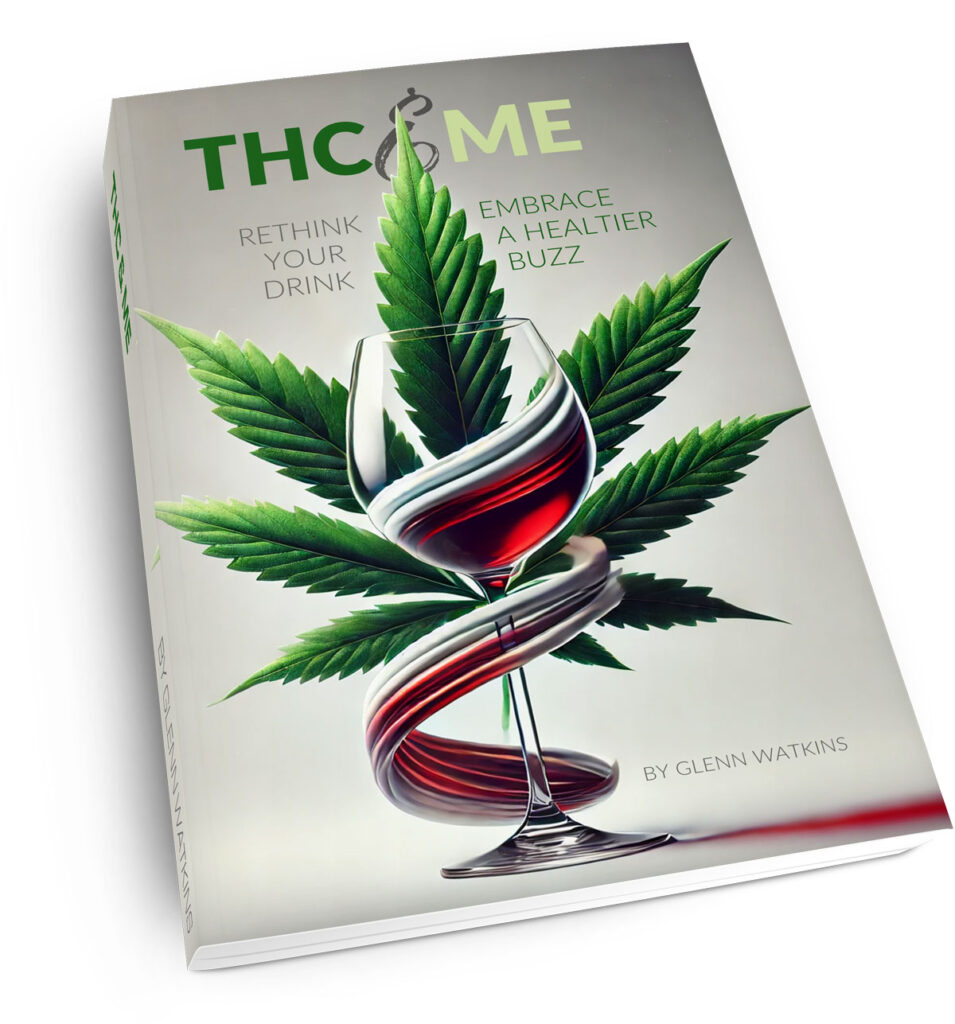
Explore our free cannabis guide and THC & Me by Glenn Watkins.
This article is educational and is not individualized medical advice or a medically reviewed clinical recommendation.