The starting point: Learning about cannabis does not require adopting a cannabis identity, endorsing every claim about it, or deciding to use it. You can ask serious questions while keeping your values, responsibilities, and personal boundaries intact.
For a parent, professional, person of faith, or adult from a traditional background, even beginning the conversation can feel uncomfortable. This article offers a way to approach the subject without treating skepticism as ignorance or curiosity as a commitment.
A personal story can open the conversation
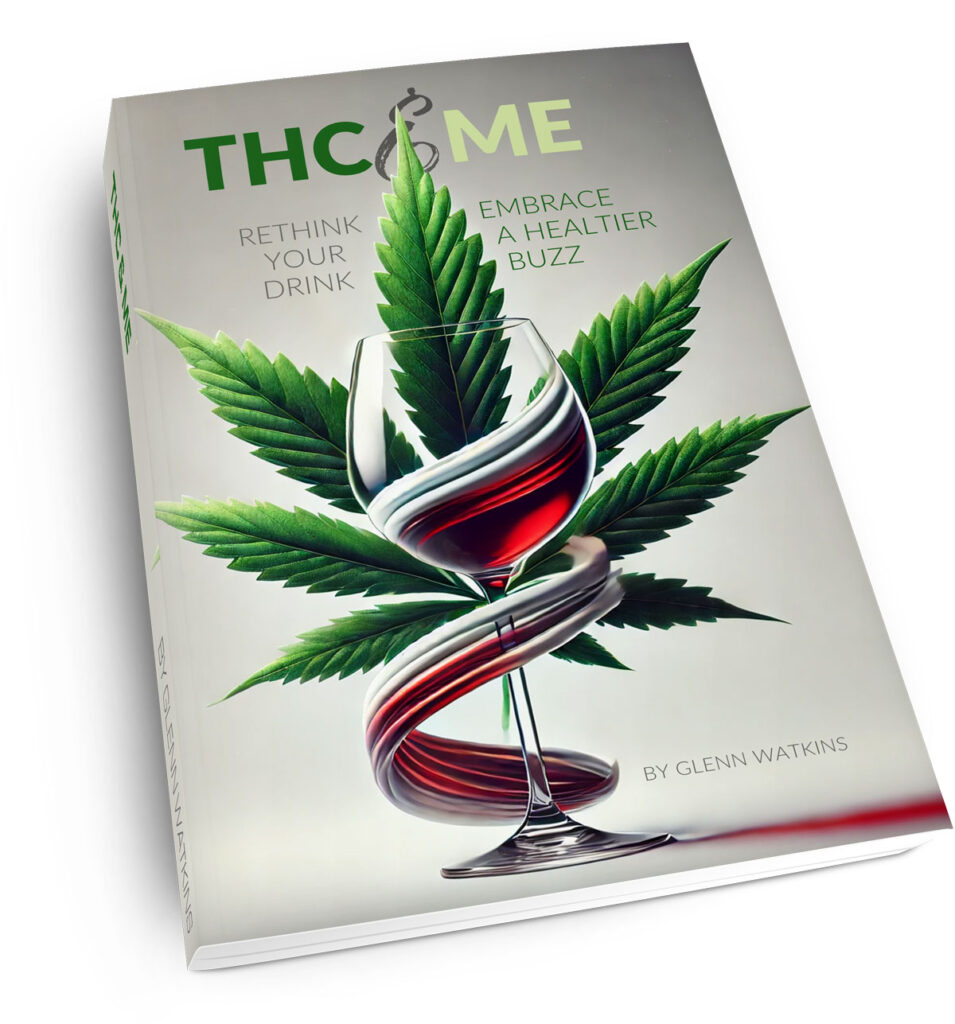
In the first chapter of THC & Me, Glenn Watkins describes the contrast he remembers from his community:
In my community, THC wasn’t just illegal—it was taboo. Alcohol, on the other hand, was considered normal, acceptable, even celebrated.
Glenn Watkins, THC & Me, Chapter 1, “Understanding the Stigma.”
That is a personal recollection, not a claim that every family or community thinks the same way. Its usefulness is the question it raises: which of our impressions have we examined for ourselves, and which have we accepted without much discussion?
The answer need not be that an inherited belief was wrong. Sometimes examination reinforces a boundary. Sometimes it changes the reasons behind it. Sometimes it reveals that two very different questions have been bundled together.
Separate four questions before choosing an answer
1. What is the factual question?
“What does THC mean?” is different from “What does this particular product contain?” A story about one person is different from a study about a defined group. The more precisely a question is framed, the easier it becomes to see what would count as a useful answer.
Start with plain-language terms. When a headline or label makes a promise, ask what was measured, in whom, over what period, and compared with what. You do not need to master chemistry to notice when important details are missing.
2. What is the question about values?
A question about health is not automatically an answer to a question about conscience. Personal freedom, sobriety, care for family, religious conviction, and self-restraint may matter differently to different readers.
You can discuss those priorities respectfully without making a scientific finding stand in for a moral judgment. You can also recognize another adult’s right to ask questions without adopting their conclusion. Understanding is not the same thing as approval.
3. What is the question about responsibility?
Work, driving, caregiving, and the ability to keep commitments belong in the conversation from the beginning, not as an afterthought. A choice is not considered thoughtfully just because it feels familiar, fashionable, or personally meaningful.
Write down the responsibilities that are not negotiable for you. Then consider what information you would need before evaluating any intoxicating substance. Choosing not to use either cannabis or alcohol remains a valid answer.
4. What is the question about current rules?
A discussion of values cannot establish what a law or workplace policy says. Identify the actual jurisdiction, setting, and policy involved, then check the relevant official source. This article does not determine the legality of any product or give advice about employment rules.
Curiosity should not become a new kind of pressure
Reducing stigma should make room for honest questions, including questions about harm. It should not replace “you must never ask about this” with “you must try this to be open-minded.”
Health concerns are legitimate. The CDC describes possible anxiety, paranoia, and disorientation associated with cannabis use, and notes that some people develop cannabis use disorder. Those concerns deserve attention rather than dismissal as stereotypes. [1] [2]
At the same time, the existence of research on particular cannabinoid medicines does not validate every wellness claim made about every retail product. NCCIH distinguishes specific applications, limitations in the research, and safety questions. An honest conversation keeps those distinctions visible. [3]
A personal account may explain why someone changed a habit. It does not establish that another person should make the same change or that the same outcome will follow.
A better conversation with someone who disagrees
Try beginning with a question rather than a verdict: “What concerns you most?” “Which claim are we actually discussing?” “What information would help?” Those questions do not guarantee agreement, but they make the disagreement clearer.
Avoid turning personal experience into a contest. One person’s difficult experience and another person’s positive recollection do not cancel each other out. They may simply illustrate why a broad subject needs more than one anecdote.
You are allowed to end a conversation with “I need to learn more” or “This is not for me.” Neither response is a failure of curiosity.
Choose a next step that fits your question
For terminology and source-reading basics, start with Cannabis Without the Confusion. For a personal perspective, read the short THC & Me book excerpt. For a conversation with a friend or reading group, use the chapter discussion questions.
No purchase or email address is required for those resources. The purpose is to make the next question easier to ask—not to choose your answer for you.
Sources and editorial note
[1] CDC: Cannabis and Mental Health.
[2] CDC: Understanding Your Risk for Cannabis Use Disorder.
[3] NCCIH: Cannabis and Cannabinoids: What You Need To Know.
The book quotation is reproduced from the March 2025 manuscript. The discussion framework is original website commentary, not a quotation or an independent validation of the book’s health claims. External sources were consulted October 8, 2026. This is educational editorial content, not individualized medical or legal advice, and has not been medically reviewed. Our editorial standards.